
When dealing with unwanted pests in homes or businesses, people often use the terms “pest control” and “exterminators” interchangeably. However, these terms represent two distinct approaches to addressing pest problems, each with its unique methods and goals. Understanding the difference can help you make informed decisions that are effective and environmentally responsible.
Effective Solutions from a Trusted Exterminator Deltona FL
Pest control is a comprehensive approach focused on managing pest populations to acceptable levels while minimizing risks to human health, property, and the environment. Modern pest control emphasizes prevention, long-term solutions, and sustainable practices rather than simply eliminating pests on sight.
Key features of pest control include:
– Integrated Pest Management (IPM): A strategic approach combining inspection, monitoring, prevention, and targeted treatments.
– Eco-Friendliness: Use of non-toxic or low-toxicity methods whenever possible to reduce environmental impact.
– Focus on Root Causes: Addressing underlying issues such as sanitation, entry points, or conducive conditions that attract pests.
Expert Services from a Deltona FL Pest Control Company
Extermination refers to a more traditional approach aimed solely at eradicating pests through the use of potent chemical treatments or traps. It often prioritizes immediate results over long-term pest management strategies.
Characteristics of extermination include:
– Aggressive Treatments: Heavy reliance on chemical pesticides for quick elimination.
– Limited Focus on Prevention: Focus is typically on killing existing pests rather than preventing future infestations.
– Short-Term Solution: While effective for immediate relief, extermination alone may not address recurring pest issues.
| Feature | Pest Control | Exterminators |
| Approach | Holistic management | Immediate eradication |
| Methods | Eco-friendly methods; IPM | Chemical-heavy treatments |
| Long-Term Solutions | Emphasis on underlying causes | Minimal focus on recurrence |
| Impact | Lower environmental risk | Potential ecological harm |
Understanding Pest Removal in Deltona, FL: Key Differences Between Control and Extermination
- Sustainability vs. Immediate Relief: Pest control aims for long-term management by addressing infestations sustainably. On the other hand, extermination offers fast relief but may require repeat treatments over time due to lack of preventive measures.
- Use of Chemicals: While pest control emphasizes minimal use of chemicals and favors eco-friendly tools like traps or biological controls, exterminators often rely heavily on pesticides.
- Health & Environmental Considerations: Modern pest control services prioritize safety measures for humans and pets by adopting low-risk treatment options.
- Inspection & Monitoring: Effective pest control involves regular inspections to monitor progress over time — an element less emphasized in traditional extermination practices.
Why Choose Pest Control Over Extermination?
Opting for professional pest control services instead of traditional extermination provides several benefits: – Reduced risk of exposure to harmful pesticides for families or employees. – Long-lasting results through careful identification of root causes. – Environmentally responsible practices that align with global sustainability goals. – Improved peace of mind knowing your home or workplace is safeguarded against future infestations.
Understanding these differences is essential when deciding how best to manage a pest problem effectively and responsibly over time.
Understanding What Pest Control Is and How It Works
Pest control is a strategic and systematic approach to managing and mitigating pests that can harm property, health, and the environment. Unlike extermination, which often focuses on eliminating pests in the short term, pest control is designed to prevent infestations over time while minimizing risks to humans, animals, and the surrounding ecosystem. Let’s explore how pest control works, what it encompasses, and why it is a critical element for maintaining healthy spaces.
What is Pest Control?
- Insects such as ants, cockroaches, termites, mosquitoes, and flies.
- Rodents like mice and rats.
- Wildlife such as raccoons or squirrels (in certain cases).
- Other harmful organisms like bed bugs, fleas, or even wasps.
Rather than focusing solely on extermination (removing pests once they’ve become a problem), pest control emphasizes long-term prevention by addressing root causes that attract pests in the first place.
How Pest Control Works
- Professionals start by thoroughly inspecting your home or business premises.
- They identify problem areas such as entry points for pests or sources of food and water.
- A detailed assessment helps determine the type of pest infestation present.
- Correctly identifying the species is crucial since different pests require different treatment plans.
- Misidentifying a pest can lead to ineffective solutions.
- Preventative Strategies
Preventing an infestation requires addressing factors that attract pests: - Sealing gaps in doors or windows to eliminate entry points.
- Managing waste properly by sealing trash bins tightly.
- Addressing moisture issues caused by leaks or standing water.
- Treatment Implementation
Treatment methods may include: - Bait traps for rodents or cockroaches.
- Insecticides applied in targeted areas with minimal environmental impact.
- Physical controls such as barriers or exclusion tools.
- Monitoring and Maintenance
Regular monitoring ensures that any recurrence is dealt with early before it develops into a full-blown infestation. Maintenance includes revisiting preventive measures frequently.
Types of Pest Control Methods
| Method | Description |
| Biological Control | Introduction of natural predators or parasites to reduce the pest population efficiently without chemicals (e.g., releasing ladybugs for aphid problems). |
| Chemical Control | Use of pesticides designed for specific types of insects or rodents while ensuring proper safety measures are observed. |
| Mechanical Control | Utilization of physical tools like traps, barriers, netting systems, etc., for direct removal or prevention purposes. |
| Cultural Practices | Modifying human behavior—such as maintaining cleanliness—to create environments less conducive for pests to thrive. |
Why Pest Control Matters
Pest infestations can lead to various problems if not handled correctly: – Damage to property: Termites can weaken wooden structures over time; rodents gnaw on furniture and electrical wiring. – Health risks: Cockroaches spread bacteria; mosquitoes transmit diseases like dengue fever; rodents carry pathogens harmful to humans. – Environmental impact: Unchecked infestations disrupt ecosystems by harming beneficial species.
By employing professional techniques grounded in science-based practices like IPM systems rather than quick fixes alone (e.g., overuse of toxic sprays), pest control ensures both sustainable outcomes and safer living conditions for people everywhere.
Key Objective Differences Between Pest Control and Extermination Services
When dealing with pests, homeowners and businesses often confuse pest control with extermination services. While both aim to eliminate unwanted pests, their approaches, objectives, and long-term effectiveness differ significantly. Understanding these distinctions can help in choosing the most suitable solution for your needs.
Primary Objectives of Pest Control
Pest control focuses on managing pest populations through environmentally conscious and sustainable methods. The goal is not only to remove pests but also to prevent their return by addressing the root cause of infestations. This approach emphasizes long-term pest management by minimizing risks to humans, pets, and the environment.
- Preventing infestations: Identifying vulnerabilities in a property that may attract pests (such as cracks, gaps, or food sources) to stop them from gaining entry.
- Using integrated methods: Employing Integrated Pest Management (IPM), which combines biological controls, mechanical barriers, and selective chemical applications.
- Ensuring health safety: Using eco-friendly solutions that reduce exposure to harmful chemicals.
- Providing ongoing maintenance: Regular inspections and treatments tailored to specific pest challenges.
Primary Objectives of Exterminators
Exterminators traditionally focus on eradicating existing pests through fast-acting treatments. While effective for immediate relief, extermination often relies heavily on chemical pesticides without addressing underlying causes. This can make re-infestations likely over time.
- Immediate eradication: Quickly eliminating visible pest populations through pesticide use.
- Short-term solutions: Targeting active infestations without necessarily focusing on prevention strategies.
- Minimal follow-up services: Typically a one-time treatment rather than ongoing maintenance.
Major Differences Between Pest Control and Extermination
| Aspect | Pest Control | Extermination |
| Focus | Long-term prevention & management | Short-term elimination |
| Methods Used | Eco-friendly options; IPM strategies | Heavy reliance on chemical pesticides |
| Health & Environmental Impact | Reduced chemical exposure; safer for all | Higher potential for toxicity risks |
| Cost Effectiveness | Costly upfront but saves money long-term | Lower initial cost; frequent re-treatments likely |
| Ongoing Maintenance | Includes follow-ups & inspections | Rarely includes ongoing services |
Choosing the Right Approach
- If you require immediate relief from a severe infestation with no immediate concern for prevention strategies, extermination may be suitable.
- If your priority is maintaining a healthy environment while preventing future infestations sustainably, professional pest control is ideal.
By understanding these distinctions—especially focusing on prevention versus quick fixes—you can make informed decisions about managing pests effectively while protecting your home or business in the long term.
Methods Used in Modern Pest Control for Effective Results
Modern pest control emphasizes sustainable, effective, and safe methods to manage and eliminate pests. These techniques are constantly evolving as technology advances and new research emerges. Below, we explore some of the most widely used methods in modern pest control that deliver reliable results.
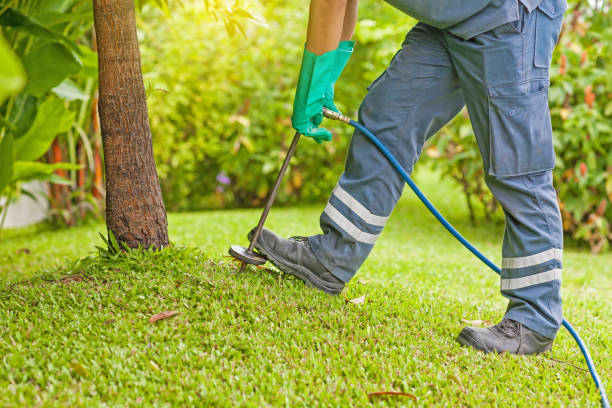
1. Integrated Pest Management (IPM)
Integrated Pest Management (IPM) is a holistic approach to pest control that combines multiple strategies for long-term results. It focuses on minimizing risks to human health and the environment while effectively managing pests.
Key components of IPM include: – Monitoring: Regular inspections and surveillance to identify pest activity. – Prevention: Addressing root causes like poor sanitation or structural vulnerabilities that enable pests to thrive. – Control Methods: Employing targeted interventions such as traps, biological controls, or chemical treatments only when needed.
This approach emphasizes prevention over remediation, making it a preferred method for sustainable pest management.
2. Biological Control
Biological control involves using natural predators or parasites to manage pest populations. This eco-friendly method reduces reliance on chemical pesticides and promotes ecological balance.
Examples of biological controls: – Introducing ladybugs to control aphid populations in gardens. – Using nematodes (microscopic worms) to combat soil-dwelling pests like grubs. – Employing parasitoid wasps against caterpillars or other plant-eating larvae.
By leveraging nature’s own systems, biological control minimizes harm to beneficial organisms and the surrounding environment.
3. Chemical Treatments
Chemical treatments remain one of the most commonly used methods in modern pest control but have evolved significantly over time. Today’s products are designed to be more targeted, less toxic, and environmentally conscious.
Common advancements in chemical treatments include: – Baits: Highly effective against ants, termites, and cockroaches by targeting entire colonies rather than individual pests. – Insect Growth Regulators (IGRs): Prevent immature pests from reaching reproductive stages. – Low-toxicity Sprays: Safer formulations that reduce risks to humans, pets, and non-target species.
Proper application by trained professionals ensures these treatments are both safe and effective.
| Type of Chemical Treatment | Purpose | Example Products |
| Baits | Target specific colonies | Ant gels or termite baits |
| IGRs | Disrupt pest life cycles | Methoprene |
| Low-toxicity Sprays | General population reduction | Pyrethrin-based sprays |
4. Mechanical Control
Mechanical methods physically remove or block pests from entering a space without relying on chemicals or biological agents.
Examples include: – Installing mesh screens or sealing cracks around doors/windows. – Using snap traps for rodents. – Vacuuming bed bugs directly from mattresses using specialized equipment.
These approaches are particularly useful for addressing small infestations before they escalate into larger problems.
5. Advanced Electronic Solutions
- Ultrasonic Repeller’s: Devices that emit high-frequency sounds unpleasant for rodents or insects.
- Remote Monitoring Systems: Sensors placed strategically in areas prone to infestation allow constant surveillance without direct human intervention.
While still developing their full potential, these technologies showcase how innovation can enhance efficiency in reducing pest issues.
Summary Table
| Method | Environmental Impact | Best For |
| Integrated Pest Management (IPM) | Low | Long-term prevention |
| Biological Control | Eco-friendly | Outdoor environments |
| Chemical Treatments | Medium | Severe infestations |
| Mechanical Control | None | Small-scale infestations |
| Electronic Solutions | Varies | Urban & tech-savvy households |
By combining these techniques appropriately based on specific circumstances, professional pest controllers offer comprehensive solutions tailored to individual needs while prioritizing safety and sustainability.
What to Expect From Professional Pest Control Services
When dealing with pest issues, enlisting the help of professional pest control services can make a significant difference. Professional services are designed to address pest problems effectively while minimizing risks to your property, health, and the environment. Here’s what you can expect when hiring a professional pest control company.
Comprehensive Inspection and Assessment
- The type of pests present: Identifying the specific species (e.g., ants, termites, rodents) ensures targeted treatment.
- Level of infestation: Determining how widespread the issue is helps in designing an appropriate plan.
- Entry points and vulnerabilities: Identifying cracks, gaps, or other access points that pests use to invade your property.
This assessment allows professionals to create a customized treatment plan tailored to your unique situation.
Customized Treatment Plans
- Type of Treatment: Selection of appropriate methods such as baiting systems, chemical sprays, or traps.
- Frequency: Determination if single or ongoing treatments are necessary for long-term results.
- Preventative Measures: Recommendations for preventative actions such as sealing entry points or reducing moisture levels.
Customized plans ensure effective results by addressing the root causes of infestations rather than just treating visible symptoms.
Use of Safe and Effective Methods
| Method | Description |
| Chemical Treatments | Use EPA-approved pesticides sparingly for targeted action. |
| Biological Controls | Introduce natural predators or pathogens to combat infestations. |
| Physical Controls | Install barriers like screens or traps to block pests’ entryways. |
Pest control experts also adjust treatments based on whether pets, children, or sensitive individuals reside on the property.
Communication and Education
- Explanation of identified issues and what caused them.
- Detailed information about proposed treatments (what will be done and why).
- Tips for preventing future infestations (e.g., proper food storage or landscaping adjustments).
This transparency ensures homeowners are well-informed about every step taken during pest management.
Follow-Up Services
- Monitoring treated areas over time.
- Addressing any recurring issues promptly.
- Adjusting treatments if necessary based on observed results.
Such follow-ups ensure that infestations are fully resolved while preventing re-infestation over time.
Hiring professional pest control services provides peace of mind while ensuring effective solutions for pest problems. By combining expertise with modern techniques and proactive strategies, these services go beyond quick fixes to deliver lasting protection for your home or business.
Long-term vs Short-term Solutions in Pest Management
When addressing pest issues, one of the most critical considerations is whether to implement long-term or short-term solutions. Both approaches have their merits, depending on the nature and severity of the infestation, as well as the goals of pest management. Below, we’ll explore these two strategies to better understand which might be most appropriate for your needs.
Short-term Pest Management Solutions
Short-term solutions are designed for immediate relief from pest problems and are often used in emergency situations when pests pose health risks or significant property damage. While effective in the short term, these methods typically do not address the root causes of infestations.
Examples of short-term solutions include:
– Chemical treatments: Use of pesticides to eliminate pests such as cockroaches, ants, or termites. These treatments work quickly but may require repeated applications over time.
– Traps and baits: Sticky traps, snap traps, or baiting systems can capture or kill rodents and insects within days.
– Fumigation: A highly effective but temporary solution for severe infestations involving termites or bed bugs in enclosed spaces.
Advantages:
1. Immediate results for urgent situations. 2. Suitable for isolated or small-scale infestations. 3. Relatively low initial cost compared to long-term approaches.
Disadvantages:
1. Does not prevent reinfestation if underlying causes remain unaddressed. 2. May include higher use of chemicals that can affect health or the environment if improperly applied.
Long-term Pest Management Solutions
Long-term pest management focuses on prevention and sustainability by eliminating conditions conducive to infestations and maintaining ongoing control measures over time.
Key components of long-term solutions include:
– Integrated Pest Management (IPM): This approach combines biological controls (e.g., natural predators), physical barriers, habitat modification, and minimal pesticide use to manage pests sustainably. – Regular inspections and monitoring: Routine assessments help detect early signs of potential problems before they escalate into infestations. – Exclusion techniques: Sealing cracks, repairing screens, and installing door sweeps prevent pests from entering properties. – Education and behavior modification: Teaching property owners about waste management practices or proper food storage techniques reduces attractants for pests.
Advantages:
1. Reduces reliance on chemical treatments. 2. Addresses root causes to minimize future infestations. 3. More environmentally friendly and sustainable over time.
Disadvantages:
1. Requires a higher upfront investment in terms of time and resources. 2. Results may take longer to become evident compared to short-term approaches.
Comparison Table: Short-Term vs Long-Term Solutions
| Factor | Short-Term Solutions | Long-Term Solutions |
| Goal | Immediate relief | Sustainable prevention |
| Timeframe | Quick results | Gradual improvements |
| Cost Effectiveness (Over Time) | Less cost-effective long term | More cost-effective |
| Environmental Impact | Potentially higher | Lower |
| Reliance on Chemicals | High | Minimal |
Choosing the Right Approach
The choice between short-term and long-term pest management depends largely on your specific situation:
– If you’re dealing with a sudden infestation that poses immediate health risks (e.g., rodents carrying diseases), a short-term solution may be necessary initially while planning for longer-lasting measures. – For chronic issues or environments prone to recurring infestations—such as restaurants or agricultural settings—a combination of both strategies is often ideal.
By weighing immediate needs against preventive goals, you can ensure an effective balance between eradicating current threats while safeguarding against future ones in a responsible manner.
- Effective Deltona Pest Control Methods and Commonly Used Insecticides
- Understanding Deltona Pest Control and Its Importance for a Safe Living Environment
- Professional Exterminator Deltona FL: Top Pest Control Products and Their Benefits
- Expert Tips from an Exterminator Deltona FL for a Safer and Healthier Home
- Benefits of Hiring a Professional Exterminator Deltona FL for Pest Control Services
- Understanding the Difference Between Deltona Pest Control and Exterminators
- 10 Things to Expect from a Professional Exterminator in Deltona FL for Effective Pest Control
- Essential Tips for Choosing the Right Deltona Pest Control Company