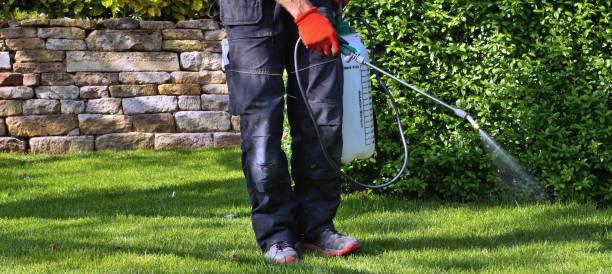
Pest control refers to the practice of managing and eliminating unwanted creatures such as insects, rodents, and other organisms that pose a threat to human health, property, or the environment. It is an essential service that ensures homes, workplaces, and public spaces remain safe, clean, and free of nuisances. Effective pest control strategies are critical for preserving not only physical structures but also fostering a healthy living environment.
Importance of Pest Control
- Pests such as cockroaches or mosquitoes carry diseases like salmonella, dengue fever, and malaria.
- Rodents can spread harmful pathogens through droppings and urine.
- Dust mites and other small pests contribute to respiratory problems such as asthma.
- Termites cause extensive damage to wooden structures by feeding on cellulose-based materials like wood frames or floorboards.
- Rodents chew wires, insulation materials, and furniture pieces—this even creates fire hazards if electrical wiring is damaged.
- Carpenter ants bore through wood materials over time leading long-term structural vulnerabilities.
- Environmental Benefits:
Proper pest management contributes positively toward maintaining ecological balance since certain pests reduce crop yields & limit food resources indirectly affecting economy impact longer term .
Reliable Exterminator Deltona FL: Modern Pest Control Solutions for Your Property
1. Integrated Pest Management (IPM)
- Inspection and Monitoring: Regularly checking for signs of pests or their entry points.
- Prevention: Sealing cracks, maintaining cleanliness, and eliminating food and water sources.
- Control Measures: Using targeted physical, biological, or chemical methods when necessary.
By emphasizing prevention over reactive measures, IPM reduces reliance on pesticides and promotes sustainable practices.
2. Biological Control Methods
| Pest | Natural Predator/Parasite | Example Use Case |
| Aphids | Ladybugs | Garden pest control |
| Mosquito larvae | Bacillus thuringiensis (Bt) | Standing water areas |
| Mice | Barn owls | Farms and rural properties |
Biological controls are especially effective in agricultural settings but can also be applied in residential areas.
3. Mechanical Pest Control
- Traps: Snap traps for mice or glue traps for insects.
- Barriers: Installing screens on windows or mesh nets over vents to block entry.
- Vacuuming: Removing bed bugs or fleas from carpets and furniture.
This approach is chemical-free, making it safe for households with children or pets.
4. Chemical Pest Control
- Insecticides: Target specific insects like ants, cockroaches, or termites.
- Rodenticides: Poison baits designed specifically for rodents like rats and mice.
- Herbicides: Used for weed management that may attract certain pests.
Always consult with licensed professionals before applying chemicals to ensure safety compliance.
5. Electronic Pest Control Devices
- Ultrasonic Repeller’s: Emit high-frequency sounds that repel rodents and insects.
- Electric Traps: Use electricity to exterminate pests like flies or mosquitoes instantly.
- Smart Monitoring Systems: Sensors that detect early signs of infestations and send alerts via mobile apps.
These devices offer convenient, low-maintenance options for keeping your property pest-free.
Tips for Choosing the Right Deltona FL Pest Control Company
- Extent of infestation – Mild issues may require simple solutions such as traps; severe cases might need professional intervention.
- Environmental impact – Opt for eco-friendly options whenever possible.
- Cost-effectiveness – Assess long-term costs versus immediate results when deciding between different methods.
- Safety – Ensure any products used are non-toxic if you have vulnerable individuals in your household (e.g., children or pets).
Modern pest control applications offer diverse tools tailored to specific needs while prioritizing sustainability and safety goals where possible—allowing homeowners peace of mind without compromising their environment’s well-being.
Modern Solutions for Pest Removal Deltona, FL to Safeguard Your Property
Pest control is a rapidly evolving field, with modern methods offering increased efficiency and sustainability. Protecting your property from pests requires a combination of proactive measures, advanced technologies, and strategic planning. Below are some of the most effective modern pest control techniques available today.
1. Integrated Pest Management (IPM)
- Inspection and Monitoring: Regular inspections help identify infestations early.
- Preventive Measures: Sealing entry points, removing food sources, and maintaining cleanliness.
- Physical Controls: Traps or barriers to prevent pests from entering an area.
- Biological Controls: Using natural predators or parasites to reduce pest populations.
- Targeted Chemical Use: Applying pesticides only as needed and in specific areas.
2. Smart Pest Control Devices
| Device Type | Functionality |
| Smart Traps | Use sensors to detect pests and provide real-time notifications. |
| Ultrasonic Repellents | Emit high-frequency sounds unpleasant for rodents or insects. |
| Thermal Imaging Tools | Detect heat signatures of pests hidden within walls or voids. |
These devices allow property owners to monitor infestations remotely while reducing dependency on traditional methods, such as indiscriminate pesticide spraying.
3. Eco-Friendly Pest Control Solutions
- Botanical Pesticides: Derived from natural plant extracts like neem oil or pyrethrum.
- Diatomaceous Earth: A non-toxic powder effective against crawling insects by dehydrating them.
- Heat Treatments: Raising the temperature in infested areas to levels lethal for pests without using chemicals.
4. Baiting Systems
Baiting systems are especially effective for managing termites, ants, cockroaches, and rodents. Modern baits are designed to be highly attractive yet slow-acting so that the entire colony can be affected instead of individual pests alone.
Some examples include: – Gel baits for cockroaches placed in cracks and crevices. – Termite bait stations installed around the perimeter of a building.
5. Professional Extermination Services
When infestations reach unmanageable levels, hiring licensed pest control professionals ensures safe and thorough eradication using advanced tools and expertise.
Key advantages include: – Access to specialized treatments like fumigation or cryolite freezing. – Compliance with local regulations regarding pesticide use.
Modern extermination services often combine traditional methods with new technologies to deliver tailored solutions based on the specific type of infestation.

Final Thoughts on Modern Methods
Adopting modern pest control techniques not only protects your property but also promotes long-term safety by reducing health risks associated with pests. Whether utilizing smart devices, eco-friendly solutions, or professional services, staying proactive is essential in keeping your environment free from harmful invaders.
The Role of Biological Pest Control in Eco-Friendly Pest Management
Biological pest control has emerged as a sustainable, eco-friendly alternative to chemical-based pest management methods. It involves the use of natural predators, parasites, or pathogens to control pest populations, minimizing harm to the environment and non-target species. This method not only reduces reliance on synthetic pesticides but also promotes biodiversity and long-term pest management solutions.
Key Components of Biological Pest Control
- Introduction: This involves introducing a natural enemy species into an ecosystem where it previously did not exist. For example:
- Releasing ladybugs to prey on aphids.
- Introducing parasitic wasps for controlling whiteflies.
- Augmentation: In this approach, existing natural enemies are supplemented or enhanced by releasing additional organisms:
- Seasonal release of nematodes to target soil-borne pests.
- Regular addition of predatory mites to greenhouse environments.
- Conservation: Preserving and encouraging the presence of naturally occurring beneficial organisms through habitat management and limiting pesticide usage:
- Planting nectar-rich flowers to attract predatory insects.
- Avoiding broad-spectrum insecticides that can kill beneficial species.
Benefits of Biological Pest Control
- Environmental Safety: Unlike chemical pesticides, biological controls do not contaminate soil or water sources.
- Human and Animal Health: Reduces exposure to toxic substances for humans, pets, and wildlife.
- Non-Resistance Development: Pests are less likely to develop resistance against their natural predators compared to synthetic chemicals.
- Cost-Effective Over Time: While initial implementation might be costly, biological control offers long-term savings due to reduced pesticide usage and improved crop yields.
| Advantage | Explanation |
| Environmental safety | Minimizes pollution and preserves ecosystems. |
| Target specificity | Only affects pests without harming beneficial insects like pollinators. |
| Sustainability | Promotes long-term pest population balance without recurring intervention. |
Examples of Successful Applications
- Agriculture: Introducing predatory beetles in crop fields has been effective against weevils without resorting to harmful insecticides.
- Urban Landscape Management: Using parasitic nematodes in lawns and gardens helps control grubs while maintaining aesthetic value.
- Greenhouses: Biological controls like Encase Formosa (a parasitoid wasp) have been widely used in greenhouses for managing whitefly infestations.
Challenges of Biological Pest Control
- Time Dependency: Results can take longer compared to the immediate effects of chemical pesticides.
- Specificity Issues: Some biological agents may only target specific pests, making them unsuitable for broader infestations.
- Environmental Factors: Weather conditions or habitat changes can influence the effectiveness of natural predators.
Best Practices for Implementation
- Conduct a thorough assessment of the local ecosystem before introducing any new organisms.
- Combine with other integrated pest management (IPM) techniques for comprehensive coverage.
- Monitor progress regularly and adjust strategies as necessary based on observed outcomes.
Biological pest control is a cornerstone strategy in eco-friendly pest management systems today, fostering an important balance between effective intervention and environmental conservation efforts.
Dangers of Rodents: Why Controlling Them Should Be a Priority
Rodents, such as rats and mice, are among the most common pests worldwide. While these creatures might seem harmless to some, their presence in residential or commercial properties poses significant risks to health, safety, and property. Understanding the hazards associated with rodents emphasizes why controlling them should be treated as a top priority.
Health Risks Linked to Rodents
- Hantavirus: Transmitted through inhalation of dust contaminated with rodent droppings or urine.
- Salmonella: Spread when rodents contaminate food or surfaces used for food preparation.
- Leptospirosis: A bacterial infection caused by contact with water or surfaces contaminated by rodent urine.
- Bubonic Plague: Although rare today, it is transmitted by fleas carried by rodents.
- Rat-Bite Fever: Caused by bacteria present in rodent saliva or droppings.
These diseases can cause serious illnesses in humans and pets if left unchecked.
Property Damage Caused by Rodents
- Rodents have strong teeth that never stop growing; they gnaw on electrical wiring to keep them filed down. This behavior increases the risk of electrical fires in homes and businesses.
- Mice and rats often nest within walls and ceilings, tearing apart insulation material for bedding purposes.
- Food stored in pantries or warehouses is highly susceptible to rodent contamination through chewing and droppings.
- Rodents burrow into walls and foundations, undermining structural integrity over time.
Signs of a Rodent Infestation
- Droppings near food sources or along baseboards.
- Scratching noises within walls or ceilings.
- Chewed furniture, wires, or storage boxes.
- Nesting materials like shredded paper or fabric.
- Grease marks along walls where rodents travel frequently.
Addressing these signs promptly can help prevent further escalation.
Preventive Measures for Rodent Control
| Measure | Description |
| Seal Entry Points | Close gaps around doors, windows, pipes, and vents using metal mesh or caulk. |
| Maintain Cleanliness | Keep your home clean by storing food in airtight containers and disposing of waste regularly. |
| Reduce Clutter | Eliminate clutter indoors and outdoors where rodents could nest. |
| Trim Vegetation | Keep shrubs and trees pruned to minimize access points near your property. |
| Professional Inspections | Schedule regular pest control inspections for early detection. |
Effective rodent control requires vigilance combined with proactive measures like sealing entry points or employing professional pest management services when necessary. Ignoring rodents not only poses health hazards but also leads to potential financial losses due to structural damage – making timely action essential for safeguarding homes and businesses alike.
How Pesticides Work and Their Importance in Pest Management Systems
Pesticides play a crucial role in controlling various pests that threaten agricultural productivity, structural integrity, and human health. Understanding how pesticides function and why they are essential provides valuable insights into pest management strategies.
What Are Pesticides?
- Insects (insecticides)
- Weeds (herbicides)
- Fungi (fungicides)
- Rodents (rodenticides)
- Bacteria and Viruses (antimicrobials)
Each pesticide type is formulated to address specific pest categories, ensuring targeted application with minimal harm to non-target species.
How Do Pesticides Work?
| Type | Mode of Action |
| Insecticides | Disrupt the nervous system or interfere with growth and development processes. |
| Herbicides | Inhibit photosynthesis or block essential metabolic pathways in plants. |
| Fungicides | Prevent spore germination or damage fungal cell walls. |
| Rodenticides | Cause internal bleeding or disrupt vital organ functions in rodents. |
Each mechanism is optimized for the target pest while attempting to reduce collateral damage to beneficial organisms.
Why Are Pesticides Important?
- Pests can devastate crops by feeding on plants, transmitting diseases, or competing for resources.
- Without effective pesticide use, farmers risk losing significant portions of their harvests.
- Mosquitoes transmitting malaria or dengue fever can be controlled with insecticides.
- Rodenticides help mitigate the spread of diseases like hantavirus caused by rodents.
- Termites can compromise wooden structures, leading to costly repairs.
- Pesticide use combats infestations effectively before significant damage occurs.
- When applied responsibly, pesticides help maintain ecosystems by controlling invasive species that disrupt local biodiversity.
Safety Considerations in Pesticide Use
- Always follow manufacturer guidelines for application rates and methods.
- Opt for integrated pest management strategies that combine chemical and non-chemical approaches.
- Use protective equipment during the handling and application process.
- Avoid overapplication to minimize soil contamination and water pollution risks.
Proper training, awareness programs, and regulatory standards further ensure pesticides are used responsibly while maximizing their benefits in safeguarding homes, businesses, and agricultural endeavors alike.
Understanding how pesticides function within a broader pest control framework helps us appreciate their significance as part of modern efforts to manage pests effectively while prioritizing safety for both humans and the environment.
- Effective Deltona Pest Control Methods and Commonly Used Insecticides
- Understanding Deltona Pest Control and Its Importance for a Safe Living Environment
- Professional Exterminator Deltona FL: Top Pest Control Products and Their Benefits
- Expert Tips from an Exterminator Deltona FL for a Safer and Healthier Home
- Benefits of Hiring a Professional Exterminator Deltona FL for Pest Control Services
- Understanding the Difference Between Deltona Pest Control and Exterminators
- 10 Things to Expect from a Professional Exterminator in Deltona FL for Effective Pest Control
- Essential Tips for Choosing the Right Deltona Pest Control Company