 Professional pest control products play a crucial role in managing and eliminating pests effectively. Unlike over-the-counter solutions available to consumers, these products are specially formulated to target specific pest problems while ensuring safety, efficacy, and long-term results. Below, we provide an overview of some commonly used professional pest control products and explore the benefits they offer.
Types of Professional Pest Control Products
- Designed specifically to control or eliminate insect pests like ants, cockroaches, mosquitoes, and termites.
- Available in various forms such as sprays, dusts, baits, and concentrates.
- Target rodents such as rats and mice to prevent structural damage and health risks caused by their presence.
- Often come in bait forms or as tracking powders for professional use.
- Gaseous pesticides used to treat enclosed areas or structures for pests like termites or bed bugs.
- Effective for wide-scale infestations but require careful handling by licensed professionals.
- Derived from natural materials like plants or microorganisms (e.g., bacteria).
- Offer eco-friendly solutions for pest control without harming non-target species.
- Used to discourage pests from inhabiting certain areas without directly killing them (e.g., mosquito repellents).
| Product Type | Target Pest(s) | Common Application Methods | Safety Considerations |
| Insecticides | Insects (e.g., ants) | Spray, Bait Gel | Follow label guidelines |
| Rodenticides | Rodents (mice, rats) | Bait Stations | Keep away from pets/kids |
| Fumigants | Termites, Bed Bugs | Sealed Building Treatment | Requires licensed use |
| Biopesticides | Wide Range (eco-friendly) | Spray Solutions | Environmentally safe |
Key Benefits of Professional Products
- Targeted Formulations: These products are designed for specific pest species or infestations, leading to more precise application and better results.
- Long-Term Efficiency: Many professional-grade solutions provide extended protection against recurring infestations compared to store-bought alternatives.
- Environmentally Conscious Options: Biopesticides and Integrated Pest Management techniques focus on reducing environmental harm.
- Compliance with Health Standards: Professional-grade products are regulated to meet stringent safety standards when applied correctly.
Why Choose Professional Solutions?
While DIY methods may seem cost-effective initially, they often fail to address the root cause of infestations. Professionals use advanced tools alongside these specialized products to ensure comprehensive pest elimination with minimal disruption to your daily life.
Moreover, expert knowledge ensures that applications are safe for humans, pets, and the environment while minimizing potential risks associated with improper usage of pesticides or chemicals.
By understanding the range of professional pest control solutions available—and their advantages—you can make informed decisions about protecting your property from unwanted invaders.
Effective Solutions from a Trusted Deltona FL Pest Control Company for Safe Pest Management
When it comes to pest control, professionals rely on a wide array of pesticide products specifically designed for safety, efficacy, and environmental responsibility. These products are carefully selected based on the type of pest infestation, the scale of the problem, and the environment in which they are used. Below is an overview of some of the most common pesticide categories used by experts and their benefits.
Types of Pesticide Products Used by Professionals
- Purpose: Target specific insects such as ants, roaches, mosquitoes, or termites.
- Forms: Sprays, baits, dusts, and concentrates.
- Advantages:
- Highly effective when applied correctly.
- Designed with active ingredients that target specific insect biology to reduce harm to humans or other animals.
- Examples: Pyrethroids (synthetic), Neonicotinoids.
- Purpose: Control rodent populations like rats and mice.
- Forms: Pellets, blocks, or liquid baits.
- Long-lasting effects with minimal application frequency.
- Many modern formulations include safety measures to prevent accidental ingestion by non-target species.
- Purpose: Used primarily in agricultural or garden settings to control fungal growth that can damage plants or structures.
- Forms: Sprays and powders.
- Prevents structural damage caused by mold and mildew.
- Effective in preserving crops and ornamental plants.
- While not traditionally considered “pest control,” herbicides are important for managing invasive weeds that attract pests or hinder property maintenance efforts.
- Derived from natural materials like plants, bacteria, or minerals (e.g., neem oil).
- Extremely safe for humans and non-target animals while providing targeted pest control solutions.
Benefits of Professional-Grade Products
- Tailored Formulations
Professional-grade pesticides are often more effective than over-the-counter (OTC) options due to specialized formulations unavailable for public use. - Precision Application
Licensed pest management experts have access to tools like sprayers calibrated for high precision alongside knowledge about proper dosage rates. This ensures minimal environmental contamination while maximizing results. - Compliance with Regulations
Many professional pesticides meet stringent regulatory standards imposed by agencies like the Environmental Protection Agency (EPA). These regulations ensure safe use around homes without posing undue risks.
Comparison Table: Professional vs. OTC Pesticide Products
| Feature | Professional Pesticides | Over-the-Counter Products |
| Effectiveness | High | Moderate |
| Target Specificity | Customizable | Generic |
| Environmental Impact | Low (when applied properly) | Moderate |
| Access Restrictions | Requires certification/license | Available to general public |
| Cost Effectiveness (Long-Term) | High | Lower upfront but less durable |
How Professionals Select Appropriate Pesticides
Pest control experts begin each job with an in-depth assessment that identifies: – The type of pest present, – The level of infestation, – Environmental factors like children, pets, or vegetation nearby, – Potential health concerns related to chemical exposure.
This assessment allows them to choose products that align with Integrated Pest Management (IPM) principles—a practice emphasizing environmentally sustainable methods combined with chemical applications as a last resort.
By trusting professionals who utilize these advanced products responsibly, homeowners can benefit from long-term protection while minimizing risks associated with improper handling or misuse.
Expert Pest Removal Deltona, FL: Safe and Efficient Methods You Can Trust
Professional pest control relies on a range of advanced pesticide products designed to manage infestations effectively while minimizing risks to humans, pets, and the environment. These products are carefully chosen based on the type of pest, severity of the infestation, and location. Below is an in-depth look at the categories of pesticides experts use and their benefits.
1. Insecticides
- Liquid Sprays: Ideal for outdoor treatment or cracks and crevices where pests hide.
- Dust-Based Products: Useful for hard-to-reach areas like wall voids or attics.
- Baits: Designed to attract insects and poison them upon ingestion.
These products not only control current infestations but often include residual effects to prevent future outbreaks.
2. Rodenticides
- Anticoagulant Rodenticides: Prevent blood clotting in rodents, leading to eventual elimination over time.
- Non-Anticoagulant Formulas: Act faster or work in cases where rodents have developed resistance to traditional anticoagulants.
Rodent baits often come sealed in tamper-proof bait stations to ensure they are inaccessible to pets or children.
3. Herbicides
While herbicides are not typically associated with conventional pest control practices, they play a vital role in managing weeds that harbor pests like ticks or mosquitoes.
Professionals use selective herbicides that target invasive plants without damaging surrounding vegetation.
4. Fungicides
- Surface Fungicides: Used for mold removal on walls or ceilings.
- Systemic Fungicides: Protect plants by targeting fungi from within their tissues.
Fungal growth is a common issue in damp environments; expert application ensures long-term prevention.
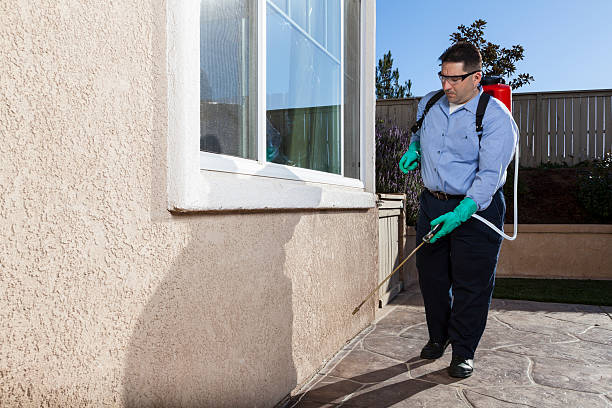
Key Benefits of Professional Pesticide Use
| Benefit | Description |
| Precision Application | Experts analyze the infestation source and apply pesticides in targeted areas only. |
| Eco-Friendly Options | Many professional-grade products are environmentally conscious formulations that minimize ecological impact. |
| Reduced Resistance Development | Professionals rotate active ingredients to prevent pests from developing resistance over time. |
| Safer Handling | Licensed technicians follow strict handling protocols, reducing exposure risks for households. |
Importance of Integrated Pest Management (IPM)
- Sealing entry points
- Regular inspections
- Habitat modification
- Biological controls (e.g., introducing natural predators)
By combining these methods with professional pesticide applications, experts achieve safe, efficient treatment while maintaining environmental responsibility.
Professional expertise ensures not just elimination but also prevention—making these advanced products indispensable in safeguarding homes from various pest threats efficiently and responsibly.
How Experts Can Handle All Kinds of Pests with Precision
Professional pest control requires an in-depth understanding of various pest species, their behaviors, and the most effective strategies to eliminate them. Experts leverage their training, experience, and specialized tools to address infestations with unparalleled accuracy. Here’s a closer look at how specialists handle different types of pests with precision.
Comprehensive Pest Identification
- Recognize pest species: From rodents and termites to bed bugs and ants, experts can distinguish between different pests based on their physical traits, nesting habits, and activity patterns.
- Understand pest behavior: Knowing when and where pests are most active helps in crafting targeted treatment plans.
- Assess infestation level: By examining droppings, damage patterns, or pheromone trails, professionals determine the severity of the problem.
Using this knowledge ensures that no time is wasted on ineffective treatments.
Customized Treatment Plans
- Type of Pest
For example:
| Pest | Treatment Approach | Frequency | |————-|———————————|———————| | Termites | Baiting systems or fumigation | Annual inspections | | Rodents | Traps and exclusion methods | Weekly monitoring | | Bed Bugs | Heat treatments or insecticides| As required | - Environment
Professionals consider whether the infestation occurs indoors (residential or commercial) or outdoors (gardens or yards). - Extent of Infestation
A localized issue might require spot treatments, while widespread problems may need more intensive interventions like fumigation.
Use of Advanced Equipment and Techniques
- Infrared cameras: Detect hidden nests inside walls or ceilings.
- Moisture meters: Identify areas prone to termites or mold-causing insects like carpenter ants.
- Bait delivery systems: Deploy pesticides precisely where pests are active without affecting non-target areas.
These tools minimize risks to property and health while ensuring thorough eradication.
Preventive Measures for Long-Term Control
- Sealing cracks, holes, and entry points to block pests from entering buildings.
- Installing screens on vents and windows for additional protection.
- Using Integrated Pest Management (IPM) principles that combine chemical-free methods like sanitation practices with targeted pesticide use.
By addressing both the root cause and potential re-entry points for pests, professionals deliver long-term relief from infestations.
Expertise Across Diverse Pest Categories
- Insects – Ants, cockroaches, flies, mosquitoes
- Arachnids – Spiders, scorpions
- Rodents – Mice and rats
- Wildlife – Raccoons, squirrels
- Wood-Destroying Pests – Termites and carpenter bees
Each type requires a distinct approach — one that combines science-backed techniques with hands-on expertise.
By relying on trained experts who prioritize safety and efficiency while addressing the unique challenges posed by various pests, homeowners can trust that infestations will be handled effectively without unnecessary risks or disruptions to daily life.
The Importance of Deltona Pest Control in Protecting Your Home
Keeping your home safe from pests is not just about comfort; it’s also about ensuring the health and safety of your family and preserving the structural integrity of your property. Professional pest control plays a pivotal role in safeguarding your living space from unwanted invaders. Here’s why investing in professional pest control services is essential.
Health Risks Associated with Pests
Pests can pose a variety of health risks to you and your family. Here are some common examples:
– Rodents: Spread diseases like Hantavirus, Leptospirosis, and Salmonella through their droppings, urine, and nesting materials.
– Cockroaches: Can trigger allergies and asthma attacks while carrying pathogens like E. coli and Salmonella.
– Mosquitoes: Are vectors for dangerous diseases such as Malaria, Dengue, West Nile Virus, and Zika Virus.
– Ticks: Can transmit Lyme disease or Rocky Mountain spotted fever.
Professional pest control services help mitigate these risks by targeting infestations at their source while using methods that ensure safety for all occupants.
Structural Damage Caused by Pests
Some pests can cause significant damage to the structure of your home if left untreated:
| Pest Type | Damage Caused | |——————|————————————————-| | Termites | Feed on wood, compromising the structural integrity of walls, floors, and furniture. | | Carpenter Ants | Bore into wood to create nests, weakening wooden structures over time. | | Rodents | Chew through wires and insulation, increasing fire hazards and energy loss. |
Professional exterminators are skilled in identifying early signs of these issues before they escalate into costly repairs.
Expertise in Handling Various Types of Pests
- Common household pests such as ants, spiders, or roaches.
- Seasonal invaders, like stinging insects or boxelder bugs.
- Specialized threats, including termites or bed bugs.
By tailoring solutions based on the specific pest problem at hand, experts ensure long-term results while minimizing disruption.
Environmentally Responsible Solutions
- Proactive measures to prevent infestations (e.g., sealing entry points).
- Biological controls such as predators or traps instead of relying solely on chemical solutions.
- Targeted pesticide application only when necessary to minimize environmental impact.
This method ensures both safety for non-target species (like pets) and reduced exposure to harmful chemicals for humans inside the home.
Peace of Mind Through Regular Maintenance
- Scheduled inspections identify potential vulnerabilities before they turn into problems.
- Seasonal treatments prevent recurring issues based on weather patterns specific to your region.
- Documentation provides reassurance that your home remains properly protected year-round.
Final Thoughts
Professional pest control services offer more than just an immediate solution—they provide a comprehensive approach toward protecting both health and property value over time while addressing underlying causes behind recurring infestations effectively
- Effective Deltona Pest Control Methods and Commonly Used Insecticides
- Understanding Deltona Pest Control and Its Importance for a Safe Living Environment
- Professional Exterminator Deltona FL: Top Pest Control Products and Their Benefits
- Expert Tips from an Exterminator Deltona FL for a Safer and Healthier Home
- Benefits of Hiring a Professional Exterminator Deltona FL for Pest Control Services
- Understanding the Difference Between Deltona Pest Control and Exterminators
- 10 Things to Expect from a Professional Exterminator in Deltona FL for Effective Pest Control
- Essential Tips for Choosing the Right Deltona Pest Control Company