
When it comes to maintaining a safe and healthy home environment, few issues are as critical—and often overlooked—as pest control. Pests such as rodents, insects, termites, and cockroaches can pose serious threats not only to your property but also to the well-being of your family. While DIY solutions may seem enticing, professional pest control services provide numerous advantages that ensure long-term effectiveness and peace of mind.
The Hidden Dangers of Pests
Many pests carry health risks or cause structural damage to your home. Here are some common threats posed by infestations:
– Health Hazards:
– Rodents can spread diseases like salmonella and hantavirus through their droppings.
– Cockroaches often carry allergens that can trigger asthma symptoms, particularly in children.
– Mosquitoes and ticks are known vectors for illnesses such as Lyme disease or West Nile virus.
- Termites silently consume wood structures, potentially costing homeowners thousands of dollars in repairs.
- Rodents tend to gnaw on wires, increasing the risk of electrical fires.
- Stored food products may be contaminated by pantry pests like weevils and moths.
Why Professional Pest Control Is Essential
- Thorough Inspections: Professionals conduct detailed inspections to identify the type of pests present and locate hidden infestations. This step is crucial because certain pests (like termites or bed bugs) may remain undetected until significant damage has occurred.
- Customized Treatment Plans: Unlike one-size-fits-all DIY methods, professionals develop customized strategies based on an infestation’s severity, the pest species involved, and your home’s unique conditions.
- Safe Use of Chemicals: The improper use of pesticides can harm people, pets, or the environment. Licensed pest control technicians are trained to handle chemicals responsibly while ensuring safety compliance.
- Long-Term Prevention: Experts not only eliminate current infestations but also employ preventive measures such as sealing entry points and advising on proper maintenance practices to keep pests away for good.
Benefits Beyond Immediate Pest Removal
| Benefit | Description |
| Improved Health | Reduces exposure to allergens, bacteria, viruses, and other harmful organisms carried by pests |
| Increased Property Value | Protects structural integrity by preventing damage caused by termites or rodents |
| Greater Peace of Mind | Eliminates recurring infestations while saving you time spent on ineffective DIY attempts |
| Cost Savings | Prevents costly repairs that result from unchecked infestations over time |
Choosing a Reputable Pest Control Service
To ensure quality service, look for licensed professionals with positive reviews and transparent pricing policies. Ask about follow-up visits or maintenance plans as part of their offerings—these ongoing measures are critical for sustained results.
Pest problems should never be ignored or underestimated due to their potential impact on both health and property safety. With professional expertise at your disposal, you can create a safer living environment free from unwanted intruders year-round while avoiding the risks associated with unproven DIY methods.
The Importance of Deltona Pest Control Services in Protecting Your Property
Pest infestations can cause significant damage to both the structure and value of your property. Without proper prevention or effective intervention, pests such as termites, rodents, and cockroaches can create long-lasting issues that are often expensive to repair. Professional pest control services not only address infestations but also help safeguard your property from future pest-related problems. Below, we’ll explore how hiring experts can protect your home or business.
Prevent Structural Damage with a Trusted Deltona FL Pest Control Company
- Termites: Termites feed on wood and cellulose-based materials, weakening support beams, flooring, and walls.
- Rodents: Rats and mice chew through electrical wiring, increasing the risk of fire hazards. They also destroy insulation by burrowing into it for nesting.
- Carpenter Ants: Unlike termites that consume wood, carpenter ants hollow it out to create nesting spaces.
Signs of structural damage include sagging floors or ceilings, buckling walls, and unexplained cracks in wooden surfaces.
Effective Pest Removal in Deltona, FL to Avoid Health Risks
- Cockroaches carry allergens that can trigger asthma attacks or worsen respiratory conditions.
- Rodents spread diseases like Hantavirus and Salmonella through their droppings or urine.
- Mosquitoes can transmit illnesses such as West Nile Virus or Dengue Fever.
Professionals use safe methods to eliminate these pests while minimizing risks to you and your family’s health.
Benefits of Professional Pest Control Services
| Benefit | Explanation |
| Thorough Inspections | Professionals can identify hidden infestations using specialized tools |
| Tailored Treatment Plans | Experts customize their approach based on your specific property needs |
| Environmentally Friendly Options | Many companies offer eco-friendly solutions that reduce chemical use while remaining effective |
| Preventative Measures | Professionals focus on long-term prevention rather than temporary fixes |
| Expert Knowledge | Technicians are trained to deal with a wide range of pests efficiently |
By relying on experts, you gain access to effective strategies that save time and prevent recurring issues.
Common DIY Pitfalls
- Misidentification of the pest species leads to ineffective treatment.
- Incorrect application of pesticides could harm non-target species or result in environmental contamination.
- Temporary solutions fail to address root causes like entry points or breeding grounds.
Professional services eliminate these risks by addressing infestations holistically rather than providing short-term relief.
Preventing Future Infestations
- Sealing cracks in walls and foundations
- Installing physical barriers such as door sweeps
- Providing advice on proper sanitation practices
- Regular follow-up inspections
These proactive measures ensure lasting protection for your home.
Investing in professional pest control services is an essential step toward maintaining a safe environment for yourself and others while preserving the value of your property. By addressing both immediate concerns and potential risks proactively with expert assistance, you ensure comprehensive protection against unwanted pests year-round.
How to Take Control of Pests and Keep Your Home Pest-Free Year-Round
Maintaining a pest-free home requires continuous effort, awareness, and preventive measures. Pests, such as rodents, termites, bedbugs, and cockroaches, are not only a nuisance but can also pose significant health risks and damage your property. Here are practical strategies and tips to help you regain control of your home and keep it pest-free throughout the year.
Identify Common Household Pests
| Pest | Common Problems | Signs of Infestation |
| Cockroaches | Spread bacteria; trigger allergies | Droppings, shed skins, musty odor |
| Rodents | Chew wires; contaminate food | Gnaw marks, nests made of shredded material |
| Termites | Cause structural damage | Hollow wood sounds, mud tubes |
| Ants | Contaminate food | Trails leading to food sources |
| Bedbugs | Cause itchy bites | Small blood stains on bedding |
By recognizing these signs early on, homeowners can take swift action before infestations worsen.
Steps to Keep Your Home Pest-Free
- Inspect doors and windows for gaps or cracks; use weather stripping where necessary.
- Fill holes in walls or floors with caulk or steel wool.
- Install mesh screens over vents and chimneys.
- Wipe kitchen counters regularly to remove crumbs and spills.
- Store food in airtight containers rather than leaving it exposed on countertops.
- Vacuum carpets and upholstery frequently to eliminate hiding spots for pests like fleas or bedbugs.
- Dispose of garbage regularly in sealed bins away from your home’s exterior walls.
- Recycle materials properly by rinsing containers before placing them in bins.
- Fix leaky pipes under sinks or within walls that could attract cockroaches or rodents.
- Remove outdoor water sources like clogged gutters or birdbaths that may harbor mosquitoes.
- Scatter substances like diatomaceous earth around baseboards for crawling insects.
- Place bay leaves in pantries as a natural deterrent against ants.
Seasonal Considerations for Better Pest Control
- Spring: As temperatures rise, inspect for nests (e.g., ant hills) forming outside your property.
- Summer: Focus on mosquito control by removing standing water regularly.
- Fall: Seal entry points as rodents seek shelter indoors during colder months.
- Winter: Monitor basements or attics where pests might hide due to warmth.
Tailoring your pest control methods based on seasonal trends ensures effective results year-round.
When Professional Help Becomes Necessary
- Conduct thorough inspections using advanced tools unavailable to most homeowners.
- Apply safe yet effective treatment solutions tailored specifically for certain pests.
- Provide long-term prevention plans that align with your home’s unique needs.
By combining regular maintenance with expert assistance when necessary, you can effectively take control of pests while ensuring the safety of your household all year long.
Expert Advice on Managing Pests and Maintaining a Clean Living Environment
Effectively managing pests and maintaining a clean living environment requires adopting proactive measures, understanding common pest behaviors, and seeking professional guidance when necessary. Below is an in-depth look at how to create a pest-free home through expert advice.
Identifying Common Household Pests
- Rodents (e.g., rats, mice)
- Insects, such as cockroaches, ants, termites, and bed bugs
- Arachnids like spiders
- Flying insects, including mosquitoes and flies
Each of these pests presents unique challenges that call for tailored solutions. For instance:
– Rodents can cause structural damage by gnawing on electrical wires or wooden beams.
– Termites silently destroy wooden furniture or foundations over time.
– Cockroaches can carry pathogens that contaminate food surfaces.
Best Practices for Preventing Pests
- Maintain Proper Hygiene: Regularly clean floors, counters, and hard-to-reach areas where crumbs or debris might accumulate.
- Seal Entry Points: Inspect walls, doors, windows, and foundations for cracks or crevices that pests might exploit.
- Store Food Properly: Use airtight containers for food storage to prevent access by ants, rodents, or other pests.
- Regular Waste Disposal: Dispose of garbage frequently and use sealed trash cans to minimize attractants for flies or rodents.
- Declutter Spaces: Eliminate cluttered areas such as piles of papers or unused cardboard boxes that provide hiding spots.
Comparing DIY Methods vs Professional Pest Control
| Aspect | DIY Methods | Professional Pest Control Solutions |
| Effectiveness | Limited; may not address root cause | Comprehensive inspection & targeted treatments |
| Long-Term Results | Temporary | Long-lasting with preventive strategies |
| Expertise | Requires trial-and-error | Knowledgeable technicians with training |
| Safety | Potential misuse of chemicals | Eco-friendly options; safe application |
Hiring professionals ensures thorough treatment using scientifically proven methods suited for specific types of infestations.
Benefits of Routine Pest Inspections
Scheduling routine inspections can help identify early signs of pest activity before they escalate into major problems. Key benefits include:
1. Uncovering hidden infestations (e.g., termites inside walls).
2. Preventing costly property damage by addressing issues promptly. 3. Protecting your family from diseases spread by pests such as cockroaches or rodents.
Additional Tips from Experts
To further bolster your efforts in maintaining a clean environment free from pests:
– Monitor moisture levels indoors; excess humidity attracts insects like silverfish or termites. – Install door sweeps under exterior doors to block crawling insects. – Ensure proper ventilation in attics and basements to reduce damp conditions.
By combining regular maintenance routines with professional expertise when needed, you can create a living space that’s both healthy and comfortable while staying one step ahead of persistent pests.
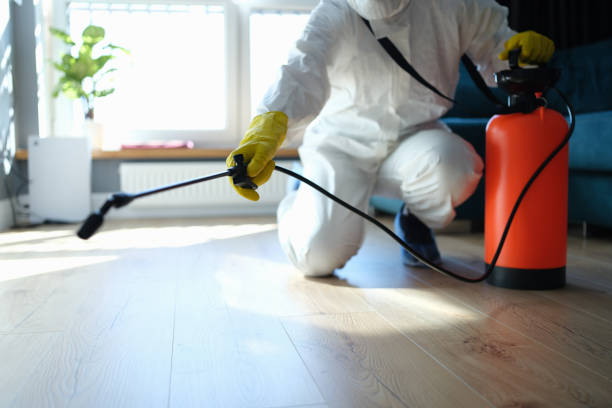
Why Free Pest Control Inspections Are Essential for Identifying Hidden Infestations
Pests can be uninvited guests that infiltrate your home without showing obvious signs of their presence. Often, homeowners may not realize the extent of pest problems until significant damage has occurred. This is why free pest control inspections are a critical service—they help identify hidden infestations before they grow out of control. Below, we examine why these inspections are so vital and what benefits they bring to your home.
Early Detection Prevents Long-Term Damage
Many pests, such as termites and carpenter ants, can cause structural damage that compromises the integrity of your home over time. Other pests like rodents or cockroaches may contaminate food and spread disease. A professional pest control inspection ensures that these threats are caught early. By identifying an infestation at its nascent stage, you can avoid costly repairs and health risks down the line.
Examples of hidden damage caused by pests: – Termites: Hollowed-out wood beams or floorboards
– Rodents: Chewed electrical wiring and insulation
– Cockroaches: Contaminated kitchen surfaces and food supplies
Professional Expertise Unveils What You Can’t See
Pests are notoriously good at hiding in areas where they’re least likely to be noticed—behind walls, under flooring, or within attics and basements. While DIY assessments might locate visible signs of an infestation, professional pest control inspectors are trained to uncover subtle clues that amateurs might miss.
Key techniques used during a pest inspection:
– Visual identification of droppings, nests, or tracks
– Use of specialized tools like moisture meters or infrared cameras to detect termite activity
– Examination of entry points such as cracks in foundation walls or rooflines
Cost Savings Through Preventative Action
A free pest inspection allows homeowners to address issues before they escalate into expensive problems. For instance:
| Pest Type | Potential Cost Without Early Detection | Cost With Early Intervention | |—————-|—————————————|—————————–| | Termites | $3,000 – $8,000 (structural repairs) | <$500 (preventive treatment)| | Rodents | $1,000+ (electrical rewiring) | <$300 (extermination) | | Bed Bugs | $1,500+ (furniture replacement) | <$400 (early treatment) |
These numbers demonstrate how proactive inspections save money while protecting property value.
Customized Solutions for Your Home
Another advantage of free pest inspections is the ability to receive tailored recommendations based on your unique situation. Professionals assess not only existing infestations but also factors that could attract pests in the future—such as poor drainage near foundations or cluttered storage areas.
Some common suggestions provided after an inspection include:
– Sealing cracks around windows and doors to prevent entry points
– Improving ventilation in basements and crawl spaces to reduce moisture buildup
– Establishing regular cleaning routines to eliminate food sources for pests
Peace of Mind Through Professional Assurance
Perhaps one of the most important benefits of a free pest control inspection is the peace of mind it provides. Knowing that experts have thoroughly assessed your property gives you confidence in its safety and cleanliness. Moreover, if no major issues are found during the inspection, it reinforces that current preventive measures are effective.
By taking advantage of complimentary inspections offered by many reputable companies, homeowners equip themselves with knowledge about their property’s condition while taking steps toward creating a safer living environment for their families.
The Benefits of Choosing Professional Pest Control Solutions Over DIY Methods
When dealing with pests, homeowners often face the dilemma of choosing between taking a do-it-yourself (DIY) approach or hiring professional pest control services. While DIY methods might seem cost-effective and convenient, they often fall short in terms of effectiveness and long-term results. Professional pest control solutions provide a range of benefits that ensure a safer, healthier, and pest-free environment.
Limitations of DIY Pest Control Methods
- Limited Efficacy: Most store-bought products only address visible pests without tackling the root cause or hidden infestations.
- Short-Term Results: Pests are adaptable and may quickly develop resistance to over-the-counter pesticides.
- Health Risks: Incorrect use of chemicals can expose homeowners and pets to harmful toxins.
- Lack of Expertise: Identifying the type of pest, its behavior, and nesting habits is critical for effective treatment—something untrained individuals may struggle with.
Advantages of Professional Pest Control Services
- Experts conduct a comprehensive inspection to identify all signs of infestation, including hidden nests and entry points.
- They assess the severity of the issue and customize their treatment plan accordingly.
- Professionals use specialized treatments formulated specifically for each type of pest (e.g., termites, rodents, bed bugs).
- This targeted approach ensures maximum efficacy while minimizing harm to non-target species.
- Beyond eliminating current infestations, experts implement preventative measures to reduce the likelihood of future problems.
- These include sealing entry points, applying residual treatments, and offering maintenance visits.
- Licensed technicians are trained in using safe application methods that protect your family’s health while addressing infestations effectively.
- Many services now offer eco-friendly options that minimize environmental impact.
- Cost Efficiency | Factor | DIY Approach | Professional Services | |—————————|———————|———————–| | Initial Cost | Low | Moderate | | Recurrence Rate | High | Low | | Long-Term Cost | High (repeated purchases) | Low (lasting results)|
When Should You Call a Professional?
While some minor issues like an isolated ant trail might be manageable with DIY efforts, there are situations where professional intervention is essential: – Widespread infestations such as termites or bed bugs. – Persistent recurrence despite repeated DIY attempts. – Evidence of structural damage caused by pests like rodents or termites. – Health risks posed by venomous or allergenic pests (e.g., wasps or cockroaches).
Final Thoughts
Professional pest control solutions provide homeowners with peace of mind by offering effective treatments that are safe for both occupants and the environment. By addressing the root cause rather than just symptoms, these services help create a healthier living space while saving time and resources in the long run.
Comprehensive Pest Control Tips to Prevent Infestations in Residential Spaces
Maintaining a pest-free home is essential for the health and safety of your household. Infestations can cause structural damage, contaminate food, and pose serious health risks. Taking proactive measures can help prevent pests from invading your living space.
1. Seal Entry Points
One of the most effective ways to keep pests out of your home is by sealing potential entry points. Common areas where pests gain access include cracks, gaps, and openings.
- Use caulk or weather stripping to seal cracks around doors and windows.
- Install door sweeps on exterior doors to prevent small pests like ants or cockroaches from entering.
- Repair holes or tears in window screens.
- Inspect utility lines, pipes, and vents entering the home for gaps.
2. Keep Your Home Clean
Pests are attracted to food sources and cluttered spaces where they can hide or breed. Maintaining cleanliness reduces their chances of survival.
- Kitchen: Wipe down counters regularly, clean up spills immediately, and avoid leaving dirty dishes overnight.
- Living Areas: Vacuum carpets and rugs frequently to remove crumbs or pet hair that might attract pests.
- Garbage Management: Secure trash bins with tight-fitting lids and empty them regularly.
- Storage Areas: Organize closets, attic spaces, and garages by eliminating clutter where pests can hide.
| Cleaning Task | Frequency | Notes |
| Vacuuming floors | Weekly | Pay special attention to corners. |
| Cleaning kitchen surfaces | Daily | Remove crumbs and grease buildup. |
| Emptying trash | As needed (at least 2x/week) | Prevent odors that attract pests. |
3. Manage Outdoor Spaces
The exterior of your home is just as important as the interior when it comes to pest prevention.
- Trim shrubs, trees, or branches away from your house to eliminate pathways for rodents or insects.
- Ensure proper drainage around your property to prevent standing water that attracts mosquitoes.
- Store firewood at least 20 feet away from the house and keep it off the ground.
- Remove yard debris such as leaf piles that could serve as nesting grounds for various pests.
4. Store Food Properly
Improper food storage provides easy access for pests like rodents, ants, or pantry insects.
- Store dry goods such as grains, cereals, or snacks in airtight containers made of glass or heavy-duty plastic.
- Keep pet food sealed when not in use.
- Regularly inspect shelves for signs of pest activity (e.g., droppings or chewed packaging).
5. Monitor Humidity Levels
Many pests thrive in moist environments; therefore controlling humidity is vital.
- Use dehumidifiers in damp areas like basements or bathrooms.
- Fix leaking pipes promptly to eliminate water sources for cockroaches or silverfish.
- Ensure good ventilation throughout the home by using exhaust fans where necessary.
6. Conduct Routine Inspections
| Pest Type | Common Signs | Inspection Tips |
| Rodents | Droppings near walls/furniture | Check dark corners & storage boxes |
| Termites | Hollow-sounding wood; mud tubes | Tap wooden structures periodically |
| Cockroaches | Egg cases; foul odor | Look under sinks & appliances |
Having a checklist handy during inspections ensures no area is overlooked while assessing vulnerabilities within residential spaces.
By implementing these comprehensive pest control strategies consistently throughout the year, you reduce the likelihood of infestations significantly while creating a healthier living environment for you and your family.
Comprehensive Pest Control Tips to Prevent Infestations in Residential Spaces
Maintaining a pest-free home requires proactive measures, effective strategies, and consistent effort. By following a well-planned approach, you can significantly reduce the risk of infestations in your residential space. Below are some comprehensive pest control tips to help you protect your home and maintain a healthy living environment.
Keep Your Home Clean and Clutter-Free
- Clean up food crumbs: Wipe down countertops, dining tables, and kitchen surfaces after meals.
- Store food properly: Use airtight containers for dry goods like cereal, rice, and flour.
- Empty trash regularly: Dispose of garbage promptly and use sealed trash bins.
- Vacuum regularly: Pay special attention to corners, under furniture, and carpeted areas.
- Declutter spaces: Avoid leaving piles of paper, cardboard boxes, or unused items that could provide hiding spots for pests.
Seal Entry Points
- Use caulk to fill cracks around windows and doors.
- Cover vents with fine mesh screens to block insects while maintaining airflow.
- Check the weather stripping on doors; replace it if worn out or damaged.
- Repair torn window screens promptly.
Manage Outdoor Areas Wisely
| Outdoor Pest Prevention Tip | Action Steps |
| Trim shrubs and tree branches | Keep vegetation at least 2 feet away from walls |
| Remove standing water | Empty flower pots or fix leaky garden hoses |
| Store firewood properly | Keep woodpiles elevated and away from the house |
| Maintain gutters | Clear debris regularly to prevent water buildup |
Monitor Moisture Levels Inside Your Home
- Fix leaky pipes or faucets without delay.
- Use dehumidifiers in damp areas like basements.
- Ensure proper ventilation in kitchens and bathrooms.
- Check for water stains on ceilings or walls that may indicate hidden leaks.
Consider Professional Assistance When Needed
- Recurring Infestations: If an infestation keeps returning despite your efforts.
- Structural Damage: Signs of termites or other destructive pests damaging walls or furniture.
- Difficult-to-Control Pests: Bed bugs or rodents often need specialized treatments.
By integrating these preventive measures into everyday life while seeking professional expertise when necessary, you can ensure that your residential space remains free from harmful pests year-round.
- Effective Deltona Pest Control Methods and Commonly Used Insecticides
- Understanding Deltona Pest Control and Its Importance for a Safe Living Environment
- Professional Exterminator Deltona FL: Top Pest Control Products and Their Benefits
- Expert Tips from an Exterminator Deltona FL for a Safer and Healthier Home
- Benefits of Hiring a Professional Exterminator Deltona FL for Pest Control Services
- Understanding the Difference Between Deltona Pest Control and Exterminators
- 10 Things to Expect from a Professional Exterminator in Deltona FL for Effective Pest Control
- Essential Tips for Choosing the Right Deltona Pest Control Company