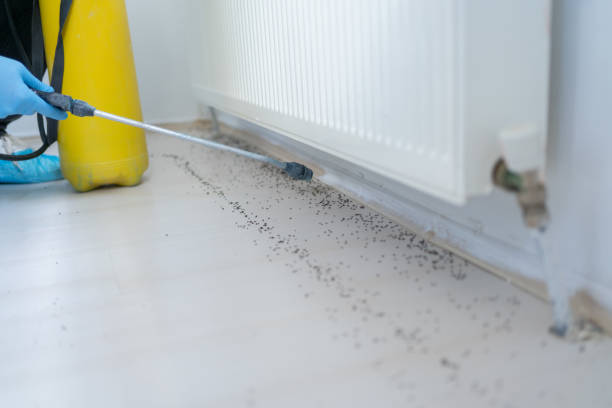
Pest control is a crucial aspect of maintaining a safe, healthy, and comfortable living environment. While some homeowners may attempt to address pest infestations on their own, professional pest control services offer several advantages that make them a better choice in most situations. Here are some critical reasons why professional pest control services are essential and the benefits they provide.
Expertise and Experience
Professional pest control technicians bring extensive knowledge and experience to the table. They are trained to identify the type of pests in your home, understand their behavior, and determine the most effective treatment methods. This expertise ensures efficient elimination while minimizing risks to your property and health.
Key advantages of their expertise include:
– Correct identification of pest species
– Tailored treatment plans for specific infestations
– Understanding seasonal pest patterns
Safer Pest Management Solutions
DIY pest control often involves over-the-counter chemicals that may pose risks if used improperly. Professionals use regulated products designed to target pests effectively while being safer for humans, pets, and the environment.
Benefits of safer solutions:
– Reduced exposure to harmful chemicals
– Eco-friendly treatment options available
– Techniques that ensure minimal disruption to daily life
Long-Term Prevention Plans
Professional services don’t just eliminate existing pests; they also implement preventive measures to reduce the risk of future outbreaks. By addressing underlying causes such as entry points or nesting areas, they help maintain a pest-free environment over time.
Preventive strategies may include:
– Sealing cracks or gaps around windows and doors
– Advising on proper food storage practices
– Regular follow-ups for monitoring
| Service | Benefit | Outcome |
| Inspection | Identifying infestation signs | Accurate problem-solving |
| Treatment Application | Safe elimination | Immediate relief |
| Preventive Guidance | Reducing future risks | Long-term protection |
Time Efficiency and Convenience
Dealing with an infestation on your own can be time-consuming, especially without proper tools or knowledge. Professionals streamline this process by quickly diagnosing issues and applying appropriate treatments efficiently.
Time-saving aspects include:
1. Rapid diagnosis during inspections
2. Immediate access to specialized equipment and products
3. Focused strategies that reduce trial-and-error efforts
Cost Effectiveness in the Long Run
While it may seem cheaper initially to try DIY methods, repeated failures can lead to mounting costs—both financially and in terms of property damage. Professional pest control eliminates this cycle by resolving problems correctly the first time.
Cost-related benefits include:
– Avoiding damage repair expenses (e.g., termites destroying wood structures)
– Preventing contamination issues (e.g., rodents spreading diseases)
Investing in professional services provides peace of mind knowing your home is safeguarded against pests effectively without recurring problems down the line.
By partnering with skilled professionals for your pest control needs, you not only ensure immediate relief from unwanted invaders but also secure a healthier living space for years ahead through expert prevention measures—all delivered safely with minimal hassle or risk involved.
How Deltona Pest Control Keeps Your Home Healthy and Pest-Free
Pest control is the process of managing and eliminating pests to ensure they do not cause harm to humans, animals, or the environment. Pests such as insects, rodents, and other unwanted creatures can infiltrate homes and businesses, causing structural damage, spreading diseases, and creating unsanitary conditions. Effective pest control is not just about extermination; it is also about prevention and maintaining a pest-free living environment.
Maintaining a Healthy Home with a Trusted Deltona FL Pest Control Company
- Disease Prevention: Many pests are carriers of diseases that can affect humans and pets. For instance:
- Mosquitoes spread malaria, dengue fever, and West Nile virus.
- Rodents carry hantavirus, salmonella, and leptospirosis.
- Cockroaches may spread allergens that trigger asthma or allergies.
- Food Safety: Pests like ants, cockroaches, and rodents can contaminate food supplies with harmful bacteria during their search for sustenance.
- Structural Integrity: Termites are notorious for damaging wooden structures in homes. Left unchecked, their activity can severely compromise the safety of your property. Similarly, rodents can gnaw on wiring or pipes, leading to costly repairs.
- Peace of Mind: Knowing your home is protected against infestations allows you to live comfortably without the anxiety of hidden threats lurking around.
Effective Pest Removal Deltona, FL: How It Works
- Identifying signs of infestation.
- Assessing vulnerable areas such as cracks in walls or leaks that provide entry points or breeding grounds.
- Determining the type of pest involved.
- Customizing an eradication plan based on the species’ behavior patterns and habitats.
- Extermination Techniques (used responsibly by professionals):
| Method | Description | |———————-|———————————————————| | Chemical Treatment | Application of safe insecticides targeted at specific pests. | | Physical Barriers | Sealing entry points with caulk or mesh materials to block access. | | Biological Controls | Introducing natural predators like beneficial nematodes for garden pests.| - Installing traps where necessary.
- Conducting regular follow-ups to ensure long-term protection.
Preventive Measures Supported by Professionals
- Keep your home clean by eliminating food crumbs or spills promptly.
- Store food items in airtight containers to reduce attractants for insects or rodents.
- Regularly dispose of garbage in sealed trash bins.
- Address moisture issues such as leaking pipes since many pests thrive in damp environments.
- Perform seasonal inspections around your home’s perimeter for signs of nests or burrows.
Why Professional Services Are Recommended
While DIY solutions may appear cost-effective initially, they often fail due to improper application techniques or lack of expertise in fully addressing root causes behind infestations. Professional pest control services offer tailored solutions using advanced tools while adhering strictly to safety standards—ensuring effective results without risking harm to your family members or pets.
Investing in professional pest control safeguards your health, protects your property’s value over time, and fosters an overall safer living space free from unwanted intruders.
Effective Strategies Professionals Use for Eliminating Pests Safely
When it comes to pest control, professionals rely on a variety of strategies to address infestations efficiently while safeguarding the health of occupants and minimizing environmental harm. These strategies are based on years of research, expertise, and adherence to industry best practices. Below are some key methods employed by pest control experts.
Inspection and Assessment
Before any treatment begins, professionals conduct a thorough inspection of the property to identify:
– Type of pest: Different pests require different treatment approaches.
– Extent of infestation: Identifying how widespread the problem is helps in planning effective control measures.
– Entry points and nesting areas: Locating where pests are entering and breeding is essential for long-term prevention.
This assessment phase ensures that treatments are targeted, reducing unnecessary harm to non-target organisms or areas.
Integrated Pest Management (IPM)
- Sealing cracks and crevices in walls, floors, and foundations.
- Proper food storage to avoid attracting pests.
- Maintaining cleanliness in kitchens and other high-risk areas.
- Using traps and other tools to observe pest activity levels over time.
- Regularly inspecting high-risk zones prone to infestation (e.g., basements or attics).
- Control Methods:
Depending on the severity of the infestation, professionals use a combination of physical, chemical, and biological control methods.
Safe Application of Pesticides
- Targeted application: Pesticides are applied only where pests reside or travel frequently rather than spraying indiscriminately across an area.
- Eco-friendly options: Many companies now use low-toxicity or organic pesticides when possible to minimize risks to humans, pets, and beneficial species like pollinators.
- Proper dosage: Professionals carefully calculate the appropriate concentration required for effectiveness without overuse.
These measures ensure minimal impact on health while achieving maximum efficiency in pest elimination.
Non-Chemical Control Techniques
| Technique | Description |
| Trapping | Mechanical traps capture pests like rodents for removal without chemicals. |
| Heat Treatment | High temperatures effectively kill insects such as bed bugs without harming property or people. |
| Biological Controls | The introduction of natural predators (e.g., nematodes) helps manage certain types of pests organically. |
These options can be particularly useful in sensitive environments such as schools or hospitals where chemical usage is restricted.
Educating Homeowners
- Regular cleaning routines can deter pest activity.
- Proper waste management prevents potential food sources from accumulating.
- Seasonal inspections help stay vigilant against recurring infestations.
Professionals understand that long-term success depends not only on eliminating current infestations but also empowering residents with knowledge to maintain a safe home environment moving forward.
By employing these proven strategies with precision and care, professional pest controllers ensure pest problems are resolved effectively—without jeopardizing safety or sustainability.
Effective Strategies Professionals Use for Eliminating Pests Safely
Professional pest control services employ a variety of effective and safe strategies to manage and eliminate pests. These methods go beyond what over-the-counter products can provide, ensuring that infestations are resolved thoroughly and without causing harm to humans, pets, or the environment. Below, we outline some of the key strategies used by experts in pest control.
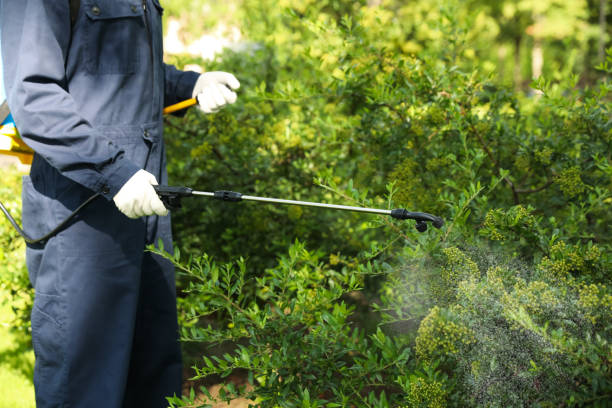
1. Integrated Pest Management (IPM)
- Assessment: Inspecting infested areas to identify the pest species and determine the severity of the problem.
- Prevention: Addressing underlying issues such as cracks, food sources, or moisture that attract pests.
- Control: Using targeted treatments—biological, mechanical, or chemical—as needed.
This method promotes effective pest elimination while reducing environmental impact.
2. Targeted Chemical Treatments
Pest control specialists have access to professional-grade pesticides that are both effective and safe when applied correctly. Unlike over-the-counter solutions, these products are applied in a controlled manner to ensure minimal exposure to non-target organisms.
- Specialists use targeted sprays or baits only in areas where pests live or travel.
- Chemicals are chosen based on their efficacy against specific pests.
- Safety protocols ensure there is no adverse impact on indoor air quality or nearby wildlife.
3. Non-Chemical Approaches
- Heat Treatments: Raising temperatures in specific areas to levels lethal for insects like bed bugs.
- Traps: Using mechanical traps for rodents or sticky traps for insects such as cockroaches.
- Vacuuming: Removing visible pests using high-powered vacuums, which is common with spider webs or bed bugs.
These methods are particularly beneficial in sensitive environments like homes with children or pets.
4. Biological Controls
| Pest Problem | Biological Solution |
| Aphids | Ladybugs |
| Mosquito larvae | Bacteria like Bacillus thuringiensis |
| Caterpillars | Parasitic wasps |
By mimicking nature’s balance, biological solutions minimize harm while effectively reducing infestations.
5. Monitoring and Follow-Up
- Early detection of new infestations before they become severe.
- Adjustments to treatment plans if new issues arise.
- Ongoing advice on maintaining a pest-free environment through sanitation and exclusion practices.
Benefits of Professional Methods Over DIY
- Comprehensive analysis tailored to your unique situation.
- Use of advanced tools and techniques unavailable to consumers.
- Long-lasting results with lower environmental risks.
When it comes to pest management, relying on professionals ensures both safety and effectiveness through proven strategies finely tuned for your home’s needs.
The Dangers of DIY Pest Control Remedies and Why to Avoid Them
Pest infestations can be a frustrating and stressful experience for homeowners. While it may be tempting to rely on do-it-yourself (DIY) pest control remedies for a quick fix, these approaches often come with significant risks. Understanding the dangers associated with DIY methods can help you make informed decisions about managing pest problems effectively and safely.
Ineffectiveness of DIY Methods
- Limited Application Knowledge: Without proper training, it’s difficult to assess the extent of an infestation or identify the specific species involved.
- Failure to Address Root Causes: DIY remedies often address visible pests but fail to target hiding spots or breeding grounds.
- Resistance in Pests: Over time, repeated exposure to generic store-bought chemicals can lead to pesticide-resistant pests, making future treatments less effective.
Potential Health Hazards
- Toxic Exposure: Many chemical-based treatments contain toxic substances that can cause respiratory issues, skin irritation, or other health complications if mishandled.
- Accidental Contamination: Misapplication near food storage areas or kitchens can result in contamination of food supplies.
- Inadequate Ventilation: Failing to use protective gear or ensure proper ventilation during application increases the risk of inhaling harmful fumes.
Risk of Escalating Infestations
- Rapid Pest Reproduction: Some pests like cockroaches and rodents reproduce quickly if not managed properly, exacerbating the problem within weeks.
- Spreading Pests Further: Disturbing nesting areas without eliminating them completely may cause pests like ants or termites to spread into other parts of your home in search of safety.
Environmental Impacts
| Improper Practice | Environmental Consequence |
| Overuse of chemicals | Soil contamination leading to reduced fertility |
| Poor disposal methods | Harmful runoff entering local water sources |
| Use of non-targeted sprays | Killing beneficial insects such as bees and butterflies |
Advantages of Hiring Professionals Over DIY Solutions
- Targeted Solutions: Professionals tailor their approach based on the species identified and severity level.
- Long-Term Prevention Plans: Experts inspect entry points and recommend preventive measures after elimination.
- Safer Practices: Licensed technicians are trained on safe handling procedures for pesticides.
- Cost Savings Over Time: Investing in effective treatment upfront prevents recurring expenses from failed attempts.
Avoiding risky do-it-yourself solutions ensures better outcomes while safeguarding both your family’s health and the environment from unnecessary harm caused by improper practices. Professional services remain a reliable choice for tackling pests efficiently without compromising safety.
How to Choose the Right Professional Pest Control Service Provider
Selecting the right pest control service provider is a critical step in safeguarding your home or business from unwanted pests. With numerous companies offering pest management services, it can be challenging to identify which one aligns best with your needs. Below are key considerations and tips to help you make an informed choice.
1. Research and Verify Credentials
Before hiring any pest control company, ensure that they possess the necessary certifications and licenses as required by your state or local laws. Here are some important points to verify:
– Certification: Look for certification from reputable organizations such as the National Pest Management Association (NPMA) or similar regulatory bodies.
– License: Confirm that the company holds a valid pest control license in your area.
– Insurance Coverage: A reliable provider should carry liability insurance, ensuring protection against accidental damages during treatment.
2. Assess Their Experience and Expertise
Experience matters when dealing with complex pest infestations. Consider these factors:
– How long has the company been in operation?
– Do they specialize in handling specific types of pests, such as termites, rodents, or bed bugs?
– Are their technicians trained in using the latest treatment methods and technologies?
3. Evaluate Their Pest Control Methods
A professional pest control service should use safe, effective, and environmentally responsible techniques. When consulting with potential providers, ask about:
– The types of chemicals or treatments used (e.g., organic vs synthetic).
– Integrated Pest Management (IPM) practices that focus on long-term prevention rather than temporary fixes.
| Treatment Type | Explanation | Example Use Case |
| Chemical Treatments | Use of pesticides for targeted pests | Effective for termites & ants |
| Biological Solutions | Introduction of natural predators | Used for garden pests like aphids |
| Physical Barriers | Sealing entry points or traps | Ideal for rats or cockroach control |
4. Read Reviews and Testimonials
Online reviews offer valuable insight into a company’s reputation and customer satisfaction levels:
– Check websites like Google Reviews, Yelp, or Better Business Bureau.
– Look for consistency in positive feedback regarding punctuality, professionalism, and effectiveness.
5. Compare Costs but Avoid Cheap Options
While affordability is essential, selecting a provider solely based on cost can lead to subpar services or ineffective results:
– Ask for detailed quotes from multiple companies to compare pricing structures fairly. – Be wary of unusually low prices; it may indicate poor-quality products or inexperienced staff.
6. Confirm Guarantees and Follow-Up Services
A reputable company often provides guarantees on their work along with follow-up visits if needed:
– Ask if they offer warranties on treatments. – Confirm whether additional inspections are included within their service plan.
Red Flags to Watch For
Avoid companies that exhibit the following signs: – Lack of transparency regarding methods or ingredients used. – Absence of proper credentials or licenses. – High-pressure sales tactics that push unnecessary add-ons.
By carefully evaluating these aspects, you can choose a professional pest control service provider suited to effectively address your unique requirements while ensuring safety and quality standards are met.
Common Treatments Used by Professionals to Handle Various Pests
Professional pest control relies on targeted treatments to effectively manage and eliminate specific pests. Unlike DIY methods, these approaches are carefully designed to minimize risks to humans, pets, and the environment while maximizing results. Below is an overview of common treatments used by pest control experts for various types of infestations.
1. Chemical Treatments
Chemical pesticides are one of the most frequently used methods by professionals to address pest problems. These substances are formulated to target specific pests without causing unnecessary harm when applied correctly.
- Insecticides: Used for insects like ants, termites, cockroaches, and flies. Available in sprays, dusts, and baits.
- Rodenticides: Target rodents such as rats and mice using bait laced with anticoagulants or other toxic substances.
- Fumigants: Ideal for severe infestations in enclosed spaces (e.g., termites or bed bugs). Involves the release of gaseous chemicals that permeate hard-to-reach areas.
Pros:
- Highly effective for eradicating large-scale infestations.
- Quick results compared to other methods.
Cons:
- Potential toxicity if misapplied.
- Requires professional handling for safety compliance.
2. Biological Control Techniques
This eco-friendly approach uses natural predators or microorganisms to control pest populations. It’s especially popular in agricultural settings but can also be applied in residential environments.
Examples include:
– Ladybugs to combat aphids in gardens. – Parasitic wasps targeting caterpillars or whiteflies. – Use of Bacillus thuringiensis (Bt), a bacteria that kills certain insect larvae without harming beneficial insects.
Benefits:
- Sustainable and environmentally conscious.
- Reduces reliance on synthetic chemicals.
3. Physical and Mechanical Barriers
Preventive measures often play a significant role in professional pest control strategies. These methods involve physically stopping pests from infiltrating an area or trapping them once they do.
Examples include: 1. Sealing cracks and crevices with caulk or mesh screens. 2. Installing traps such as glue boards (for rodents) or pheromone traps (for moths). 3. Using heat treatments to eradicate bed bugs—a process where affected areas are exposed to high temperatures lethal for pests but safe for property owners.
4. Integrated Pest Management (IPM)
Integrated Pest Management is a comprehensive approach combining multiple techniques tailored to specific situations while prioritizing safety and effectiveness over time.
Key components of IPM include: 1. Monitoring pest activity using traps and visual inspections. 2. Identifying the root causes of infestations such as entry points or poor sanitation practices. 3. Employing physical barriers first before resorting to chemicals as a last measure.
| IPM Step | Example | Goal |
| Monitoring | Setting rodent tracking pads | Assess infestation severity |
| Prevention | Sealing holes in walls | Block access points |
| Control Methods | Traps + Chemical Baits | Reduce active populations |
5. Specialized Treatments for Specific Pests
- Termites: Professionals often use liquid termiticides around foundations or bait systems that attract termites away from structures.
- Bed Bugs: Heat treatments combined with vacuuming and residual insecticides provide long-lasting relief from these resilient pests.
- Mosquitoes: Fogging systems are deployed outdoors alongside larvicidal applications targeting breeding sites like stagnant water bodies.
By relying on professional-grade tools, expertise, and proven methodologies, these treatments ensure not just immediate relief but also long-term protection against recurring infestations—something that DIY remedies often fail to achieve efficiently.
- Effective Deltona Pest Control Methods and Commonly Used Insecticides
- Understanding Deltona Pest Control and Its Importance for a Safe Living Environment
- Professional Exterminator Deltona FL: Top Pest Control Products and Their Benefits
- Expert Tips from an Exterminator Deltona FL for a Safer and Healthier Home
- Benefits of Hiring a Professional Exterminator Deltona FL for Pest Control Services
- Understanding the Difference Between Deltona Pest Control and Exterminators
- 10 Things to Expect from a Professional Exterminator in Deltona FL for Effective Pest Control
- Essential Tips for Choosing the Right Deltona Pest Control Company