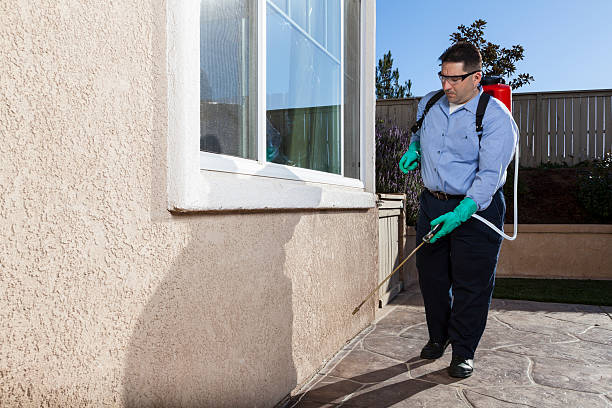
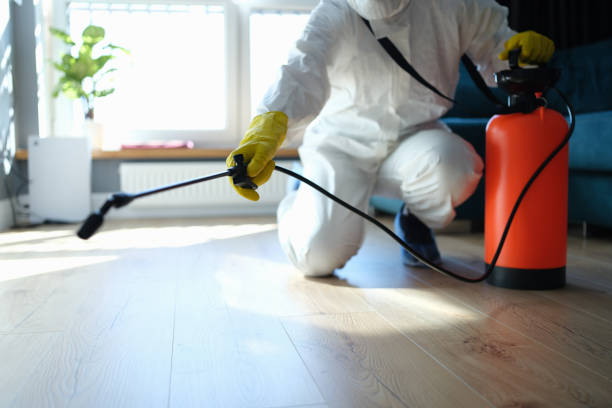
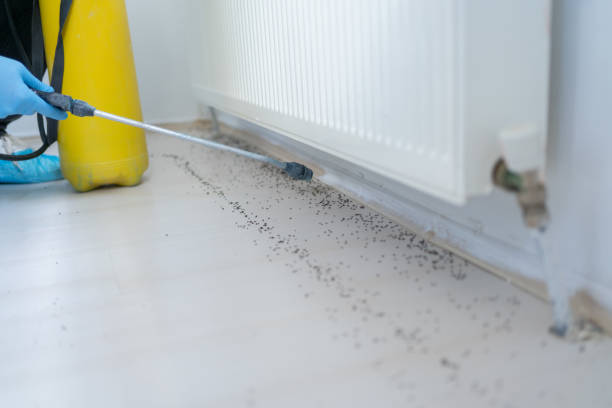
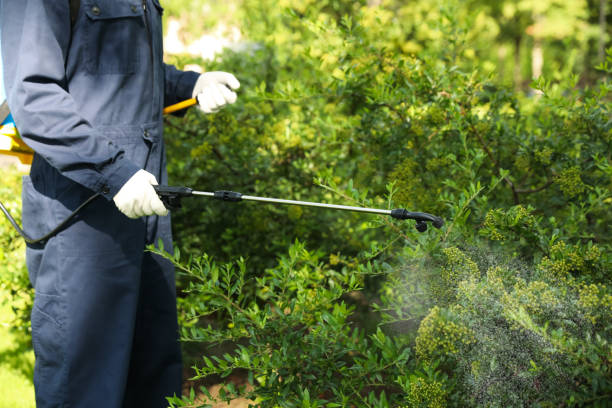
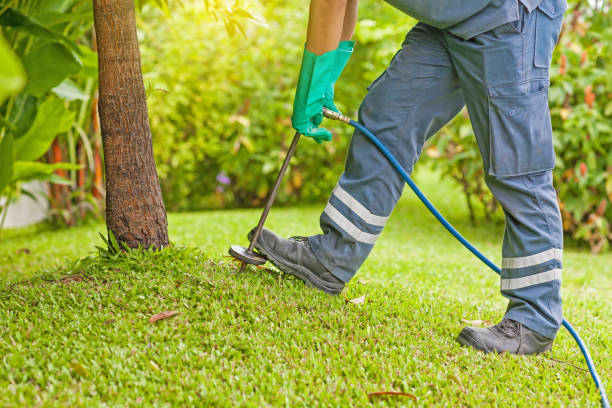
Pest control services often rely on a variety of insecticides to manage and eliminate infestations effectively. These chemical agents are specifically designed to target pests such as insects, rodents, and other unwanted organisms that invade homes and businesses. Below is an overview of the common types of insecticides used by professionals and their specific applications.
Effective Solutions from an Exterminator Deltona FL for Common Insect Problems
- Synthetic chemicals derived from natural pyrethrin’s found in chrysanthemum flowers.
- Frequently used against flying insects like mosquitoes and flies, as well as crawling pests such as ants, cockroaches, and spiders.
- Known for their quick knockdown effect, disabling pests on contact or ingestion.
- Broad-spectrum insecticides that disrupt the nervous system of pests.
- Commonly used in agricultural pest control but also applied in residential settings for tougher infestations.
- Requires careful handling due to potential toxicity risks.
- Target the nervous system of insects by acting on nicotinic acetylcholine receptors.
- Effective for pest species such as termites, aphids, whiteflies, and beetles.
- Typically applied through soil treatments or direct spraying onto affected areas.
- Disrupt the development cycles of insects rather than killing them directly.
- Ideal for managing populations of fleas, roaches, or mosquitoes by preventing immature stages from maturing into reproducing adults.
- Absorb moisture from pests’ exoskeletons causing dehydration and eventual death. Examples include diatomaceous earth and silica gel-based products.
- Commonly deployed in cracks, crevices, or areas where pesticides may pose health risks to humans or pets.
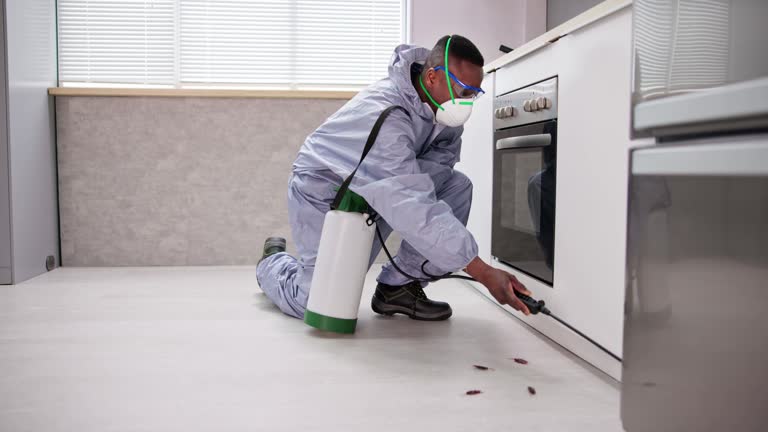
Effective Methods Used by a Deltona FL Pest Control Company
- Type of Pest: Different pests require different insecticide formulations to be effective.
- Location: Indoor vs outdoor applications dictate specific methods; indoor use may involve baits or gels whereas outdoor treatments often utilize sprays or granules.
- Level of Infestation: Severe infestations may require repeat treatments over time versus a one-time application for minor issues.
- Safety Considerations: Licensed professionals ensure proper handling while minimizing risks to non-target species (e.g., pets or beneficial insects like bees).
Key Application Methods
| Application Method | Description | Best Suited For |
| Residual Sprays | Apply directly onto surfaces where pests are likely to travel (e.g., walls, baseboards). | Cockroaches, ants |
| Bait Stations | Use bait laced with slow-acting poison that allows infected pests to spread it back home. | Termites, ants |
| Fogging/Misting Systems | Release a fine mist containing insecticide into large spaces to kill airborne/multiple pests. | Mosquitoes |
| Soil Treatments | Inject pesticides into the ground around structures for long-term prevention impacts | Termites |
| Dusting – Use fine powders targeting tight spaces cracks crevices/Preventive measures |
Effective Pest Removal Deltona, FL: Understanding the Main Types of Insecticides Used
Professional pest control services rely on a variety of insecticides to manage and eliminate pest infestations. Each type is designed to target specific pests while minimizing risks to humans, pets, and the environment. Contact Deltona Pest Control today for a free estimate.
Below is an overview of the main types of insecticides commonly used in pest control and their applications.
1. Residual Insecticides
Residual insecticides are formulated to provide long-lasting effects by remaining active on surfaces for extended periods. These products are often applied indoors along baseboards, cracks, or crevices where pests are known to travel.
Key characteristics: – Persistence: Can remain effective for weeks or months. – Application: Sprayed or dusted onto surfaces where pests hide. – Common uses: Control of ants, cockroaches, spiders, and other crawling insects.
Example products: | Product Type | Common Ingredients | Target Pests | |——————|—————————|————————–| | Spray formulations | Pyrethroids (e.g., permethrin) | Ants, cockroaches | | Dust formulations | Boric acid | Silverfish, roaches |
2. Contact Insecticides
Contact insecticides kill pests immediately upon contact. These insecticides are particularly effective for quick knockdown of visible infestations but often lack residual activity.
Key characteristics: – Speed: Immediate results upon application. – Application: Direct spray onto pests or highly infested areas. – Common uses: Flying insects like mosquitoes and flies.
3. Systemic Insecticides
Systemic insecticides are absorbed by plants and transferred to any insects feeding on the treated vegetation. This type is commonly used in agricultural settings or for managing ornamental plants in residential landscapes.
Key characteristics: – Mode of action: Targets plant-feeding pests from within. – Application: Injected into soil or sprayed onto foliage. – Common uses: Aphids, whiteflies, and other plant-eating insects.
4. Biological Insecticides
Biological insecticides use natural organisms or derived compounds to target specific pests while posing minimal risk to beneficial species and humans.
Examples include: – Bacterial toxins (e.g., Bacillus thuringiensis) – Fungi (e.g., Beauveria bassiana)
These options are increasingly popular due to their environmentally friendly nature.
5. Baits
Insecticide baits attract pests with a food source laced with toxic agents. They offer a slow but highly effective method for controlling large populations over time by allowing pests to carry poison back to their colonies or nests.
Types: – Gel baits (used indoors) – Granular baits (used outdoors)
Targets include ants, cockroaches, termites, and more.
Key Considerations When Choosing an Insecticide
When selecting an insecticide for professional use: 1. Identify the pest species accurately. 2. Consider environmental factors such as temperature and humidity. 3. Evaluate safety concerns related to pets, children, or non-target organisms. 4. For outdoor applications, assess potential water contamination risks before use.
Professionals rely on careful planning along with integrated pest management (IPM) strategies to ensure effective results when using these products safely and efficiently.
How Professionals Choose and Apply the Right Insecticides for Pest Control
Effective pest control hinges on selecting and applying the correct insecticides. Professionals consider several factors when deciding which insecticide to use, ensuring both effective pest elimination and the safety of humans, pets, and the environment. Below is a detailed breakdown of how experts approach this process.
Factors Considered When Choosing an Insecticide
- Identification of the pest species is crucial since many insecticides are designed to target specific pests.
- Ants: Bait-based insecticides are often used.
- Mosquitoes: Larvicides address breeding areas, while adulticides handle active adults.
- Cockroaches: Gel baits or residual sprays are common.
- Indoor vs. outdoor treatments require different formulations:
- Indoors: Low-odor or non-staining options ensure minimal disruption.
- Outdoors: Weather-resistant products tend to be more effective.
- Certain sensitive areas, like kitchens or hospitals, may necessitate insecticides labeled for those settings.
- Mode of Action
Professionals select products based on their mechanism of killing or deterring pests, such as: - Contact insecticides: Kill pests when they come into direct contact with treated surfaces.
- Systemic insecticides: Absorbed by plants or surfaces to target pests feeding on them.
- Residual sprays: Provide extended protection by remaining active on surfaces for weeks after application.
- Environmental Considerations
Environmental impact plays a significant role in decision-making: - Biodegradable products may be prioritized in eco-sensitive areas.
- Non-toxic alternatives are preferred around gardens or water sources.
- Resistance Management
Some pests develop resistance to commonly used chemicals over time. To counteract this: - Rotating between different classes of insecticides helps prevent resistance buildup.
- Combining multiple approaches (e.g., chemical treatments with trapping) reduces reliance on a single method.
Application Methods Used by Professionals
- Sprays: Applied to walls, cracks, crevices, or around entry points where pests are likely to travel.
- Dusts: Used in voids and hard-to-reach places like wall cavities or under appliances.
- Baits: Placed strategically where pests forage; often used for ants, cockroaches, and rodents.
- Fumigation: Reserved for severe infestations, particularly in warehouses or large-scale structures.
Safety Measures During Application
| Safety Measure | Description |
| Personal Protective Equipment (PPE) | Gloves, masks, respirators protect applicators from exposure. |
| Proper Ventilation | Ensures indoor treatments do not cause respiratory issues. |
| Label Adherence | Using products exactly as directed minimizes risks. |
| Post-Treatment Guidelines | Homeowners may receive instructions regarding re-entry times after treatment. |
Why Professional Expertise Matters
Choosing the right product involves not only understanding pests but also familiarity with regulations governing pesticide use. Licensed professionals undergo training to safely handle these substances while achieving optimal results—something that often cannot be replicated through DIY methods alone.
By combining careful assessment with tailored applications, pest control experts deliver solutions that safeguard homes and properties without compromising health or environmental safety.
Biological Insecticides: A Nature-Based Solution for Safer Pest Management
Biological insecticides, also referred to as biopesticides, are gaining popularity as a safer and more environmentally conscious alternative to chemical pest control. Derived from natural sources such as microorganisms, plants, or certain minerals, these substances offer effective solutions for managing pest populations while reducing risks to humans, animals, and the environment.
What Are Biological Insecticides?
- Microbial Insecticides: Made from bacteria, fungi, or viruses that attack pests. For example:
- Bacillus thuringiensis (Bt): A bacteria commonly used against caterpillars and certain beetles.
- Beauveria bassiana: A fungal pathogen effective against insects like aphids and whiteflies.
- Botanical Insecticides: Formulated from plant extracts (e.g., neem oil) that interfere with pest feeding or reproduction.
- Insect Growth Regulators (IGRs): Substances that disrupt an insect’s development by mimicking hormones.
- Predatory Insects: Certain predatory species such as ladybugs or lacewings can be introduced into environments to control pest populations naturally.
Benefits of Using Biological Insecticides
- Reduced Toxicity: Biopesticides generally pose minimal risks to humans, pets, and beneficial insects like pollinators.
- Environmental Sustainability: These products break down quickly in the environment without leaving harmful residues.
- Selective Targeting: They attack specific pests without harming other species in the ecosystem.
- Resistance Management: Pests are less likely to develop resistance due to the complex modes of action in biological products.
| Benefit | Description |
| Reduced Toxicity | Safer for humans and non-target organisms |
| Environmental Impact | Biodegradable with no lingering residues |
| Selective Targeting | Minimal disruption to ecosystems |
| Resistance Management | Limits development of pesticide-resistant pest strains |
How Professionals Use Biological Insecticides
- Inspect properties thoroughly to identify pest species and understand population dynamics.
- Match the pest problem with suitable biopesticides based on effectiveness and safety considerations.
- Apply microbial sprays at optimal times when pests are most vulnerable.
- Use precision methods such as targeted soil treatments or foliar spraying.
- Regularly evaluate treated areas to ensure effectiveness while minimizing environmental impacts.
Limitations of Biological Insecticides
- Slower action compared to chemical pesticides
- Specificity requires accurate identification of target pests
- Environmental factors (e.g., temperature or humidity) may influence efficacy
Final Thoughts on Biological Solutions
Biological insecticides represent a critical component in modern pest control practices. Their ability to manage infestations sustainably makes them an excellent option for eco-conscious property owners seeking alternatives that prioritize health and environmental well-being. While they may not always act as quickly as traditional chemicals, their long-term benefits make them a valuable tool in safeguarding homes, gardens, farms, and ecosystems alike.
When Should You Call a Professional Pest Control Company to Handle Infestations
Pests can cause significant damage to property, create health hazards, and disrupt the comfort of your home. While certain minor infestations can be managed with DIY methods, some situations require the intervention of professional pest control services. Knowing when to call in experts is essential for effectively managing pests and preventing further issues.
Signs It’s Time to Call a Professional
- If you notice pests in significant numbers or see them frequently despite using over-the-counter treatments, it’s time to seek expert help.
- Common large-scale infestations include ants invading kitchens, cockroaches seen during daylight hours, or bed bugs spreading across multiple rooms.
- Pests that keep returning despite repeated DIY efforts may indicate a deeper issue that requires professional-grade solutions.
- For example:
| Pest Type | Possible Recurring Issue |
|—————-|————————————————|
| Termites | Structural wood damage |
| Rodents | Access points in walls and foundations |
| Ants | Hidden colonies inside walls or underground | - Visible signs of damage caused by pests such as termites eating through wood beams or rodents gnawing on electrical wiring can lead to long-term safety risks.
- Some pests transmit diseases (e.g., rats spreading leptospirosis or mosquitoes carrying West Nile virus) that could jeopardize your family’s health if not handled promptly by experts.
Benefits of Hiring Professionals
- Comprehensive Inspection: Professionals identify the root cause of infestations rather than just treating visible symptoms.
- Custom Treatment Plans: Experts tailor their approach based on factors such as pest type, infestation size, and environmental conditions.
- Safe Techniques: Licensed technicians use regulated products that are safe for humans and pets when applied correctly.
- Long-Term Prevention: In addition to removing pests, professionals often implement preventive measures such as sealing entry points or installing barriers.
Instances Where Immediate Action is Necessary
- Presence of Dangerous Pests: Encountering venomous spiders (e.g., black widows) or aggressive wasps near living spaces requires immediate intervention.
- Infestation in Sensitive Areas: Pests found in food storage areas, hospitals, schools, or childcare facilities need prompt eradication to avoid contamination risks.
- Property Sales or Rentals: Before buying or renting a property, a professional inspection ensures it is pest-free.
Calling a professional pest control service isn’t just about eliminating an existing problem; it’s an investment in protecting your health, property, and peace of mind. Recognizing the signs early on allows experts to address the issue efficiently while preventing costly damage down the line.
- Effective Deltona Pest Control Methods and Commonly Used Insecticides
- Understanding Deltona Pest Control and Its Importance for a Safe Living Environment
- Professional Exterminator Deltona FL: Top Pest Control Products and Their Benefits
- Expert Tips from an Exterminator Deltona FL for a Safer and Healthier Home
- Benefits of Hiring a Professional Exterminator Deltona FL for Pest Control Services
- Understanding the Difference Between Deltona Pest Control and Exterminators
- 10 Things to Expect from a Professional Exterminator in Deltona FL for Effective Pest Control
- Essential Tips for Choosing the Right Deltona Pest Control Company
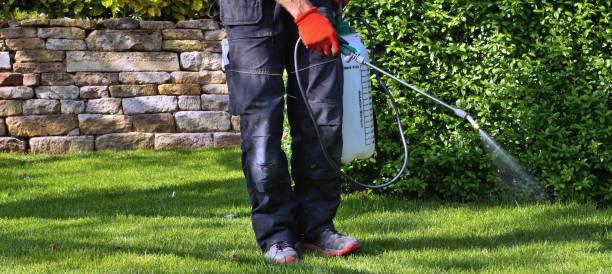

 Professional pest control products play a crucial role in managing and eliminating pests effectively. Unlike over-the-counter solutions available to consumers, these products are specially formulated to target specific pest problems while ensuring safety, efficacy, and long-term results. Below, we provide an overview of some commonly used professional pest control products and explore the benefits they offer.